
T-Shirts
BBDBuy T-Shirt Finds: Use One Good T-Shirt to Judge the Rest
The Reference-Shirt Method
Take a T-shirt you already enjoy wearing.
Lay it flat.
Measure the chest width and body length.
Those two numbers create a personal benchmark that is more useful than "I normally wear large."
When a listing provides comparable measurements, you can immediately see whether the new shirt is likely to be slimmer, wider, shorter or longer than your reference.
Add Sleeve and Shoulder Only When They Matter
For regular tees, chest and length may answer most of the question.
For boxy, drop-shoulder or oversized styles, shoulder and sleeve shape can matter much more.
A wide shirt with a short body creates a very different silhouette from a wide shirt with a long body even if both are called oversized.
Graphics Need Position, Not Just Sharpness
A print can be perfectly clear and still look wrong if the placement is too high, low or off-center for the design.
When useful QC references exist, compare the graphic with garment seams and overall proportions rather than zooming only into print texture.
Browse by Fit Logic, Then Style
Use the grid to find real W2C T-shirt options. When two tees appeal equally, prefer the one whose measurements and variation are easier to understand.
 Ralph Lauren White Cable Knit Polo Shirt$31.04 USDView Find →
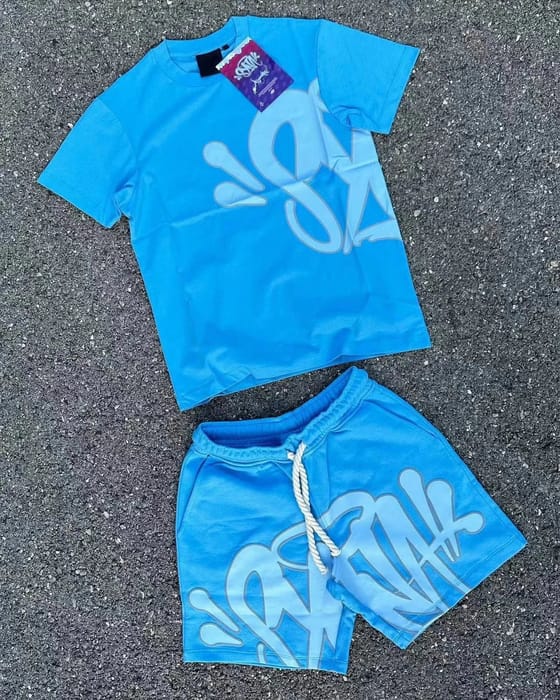 Scooty Blue T-Shirt and Shorts Set$39.91 USDView Find →
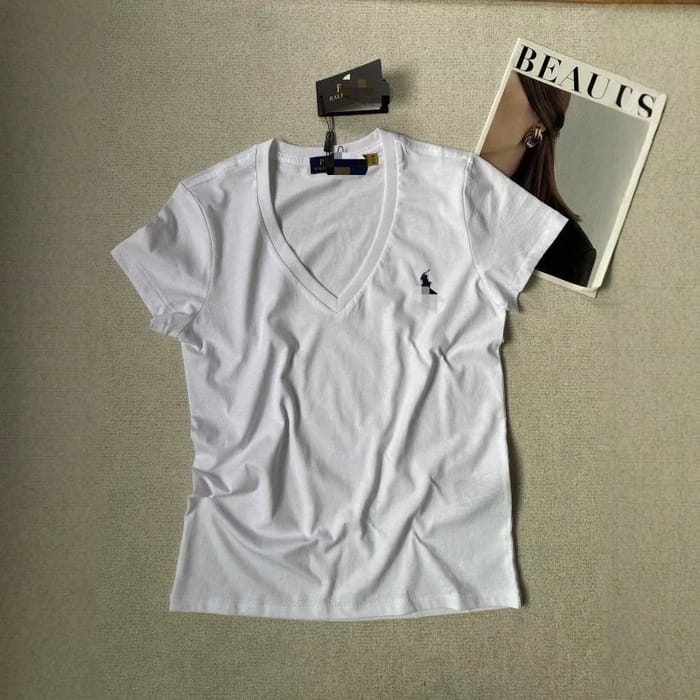 Polo Ralph Lauren White V-Neck T-Shirt$21.31 USDView Find →
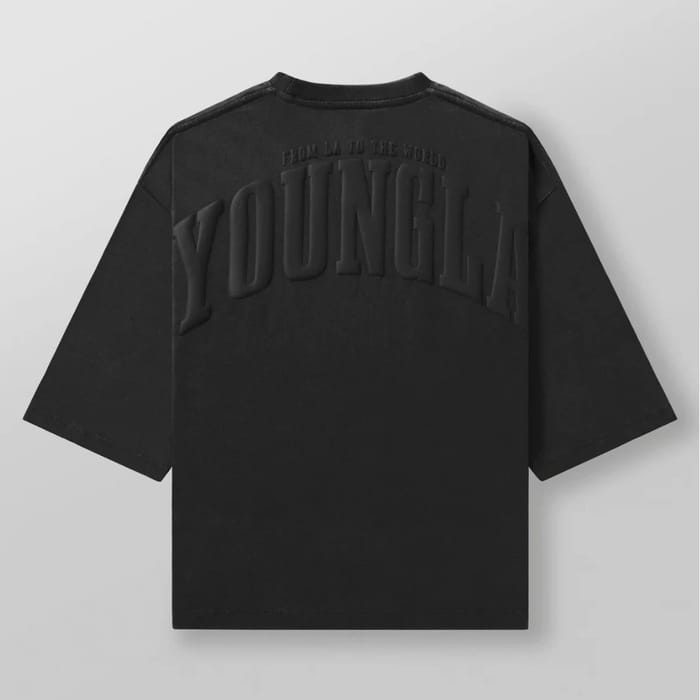 YOUNGLA Black Embossed T-Shirt$7.98 USDView Find →
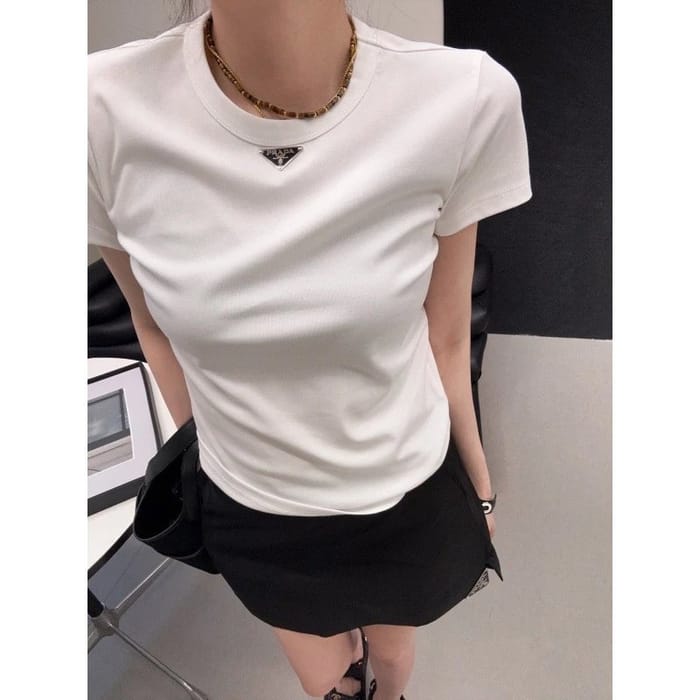 Prada Logo White T-Shirt$29.56 USDView Find →
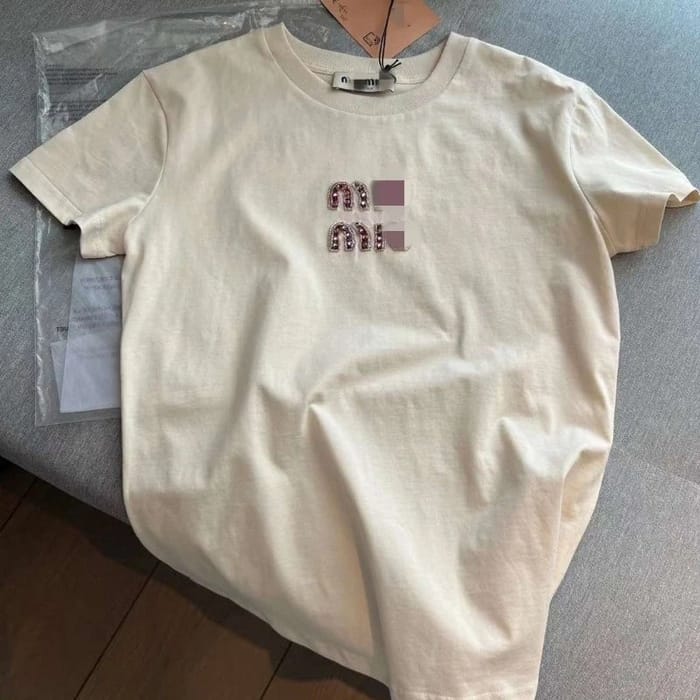 MCM Logo Embellished T-Shirt$31.04 USDView Find →
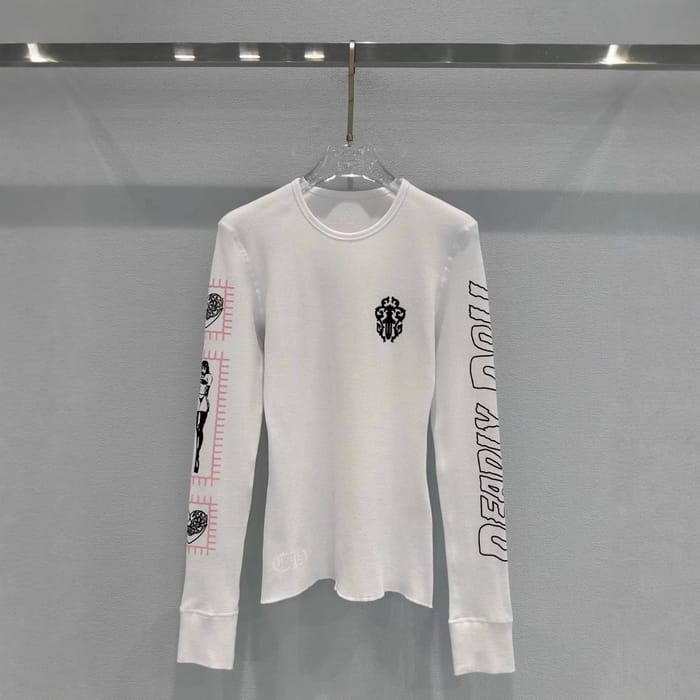 CD Prodigy White Long Sleeve T-Shirt$31.04 USDView Find →
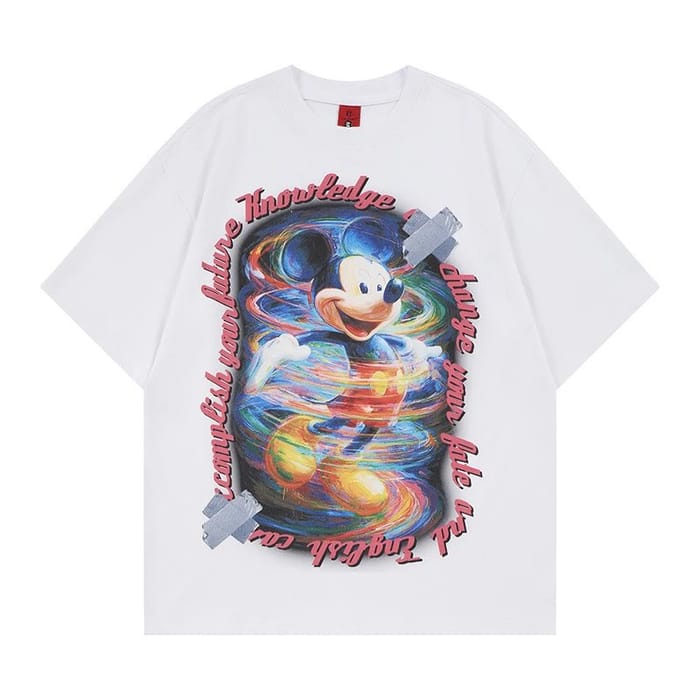 Mickey Mouse Knowledge T-Shirt Gray Cotton, Crew Neck, Printed$23.41 USDView Find →
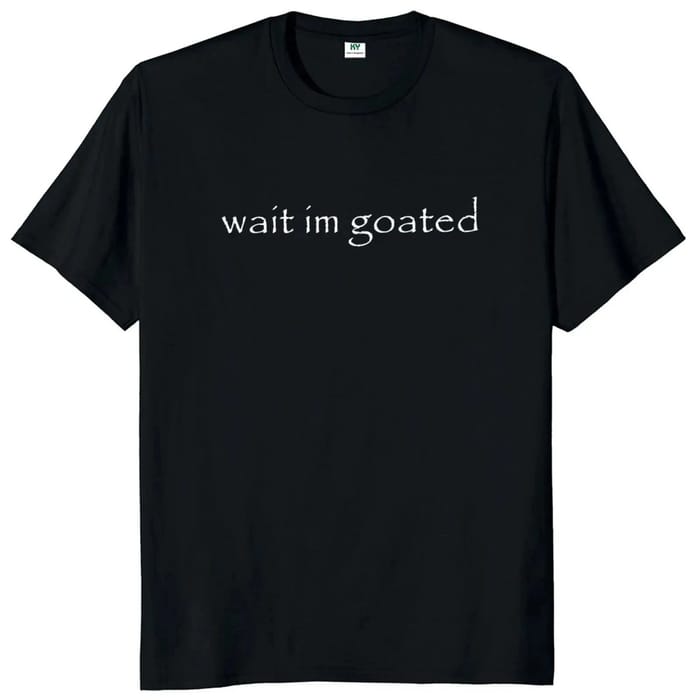 Wait I'm Goated T-Shirt White Short Sleeve$13.48 USDView Find →
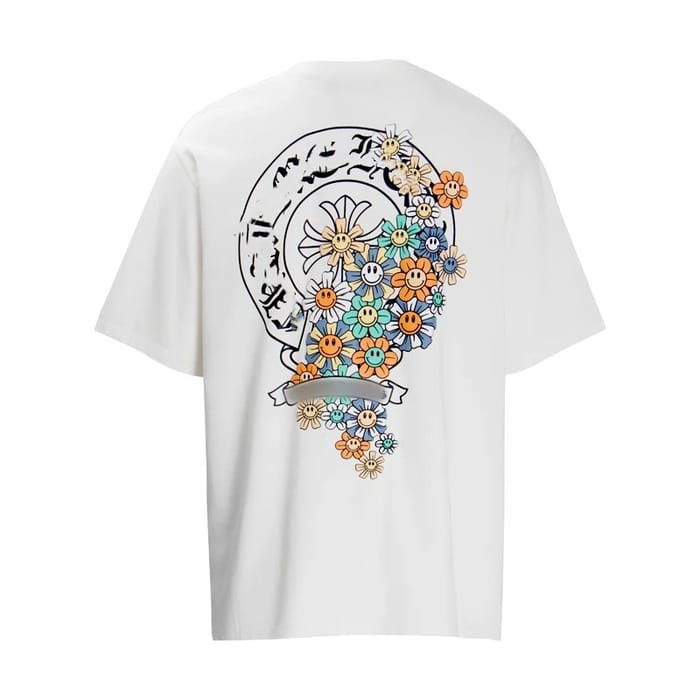 Chrome Hearts Cross Print Black T Shirt$19.33 USDView Find →
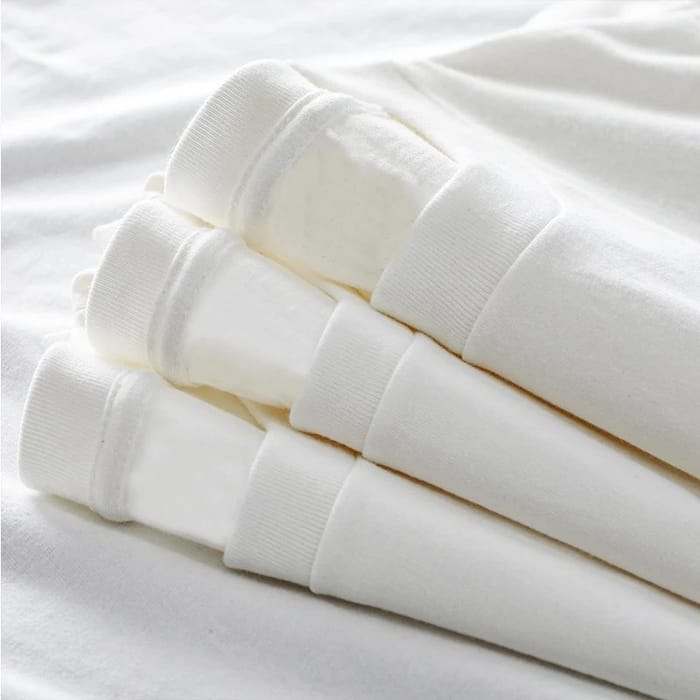 Black Crewneck T-Shirt Short Sleeve, Crew Neck$15.54 USDView Find →
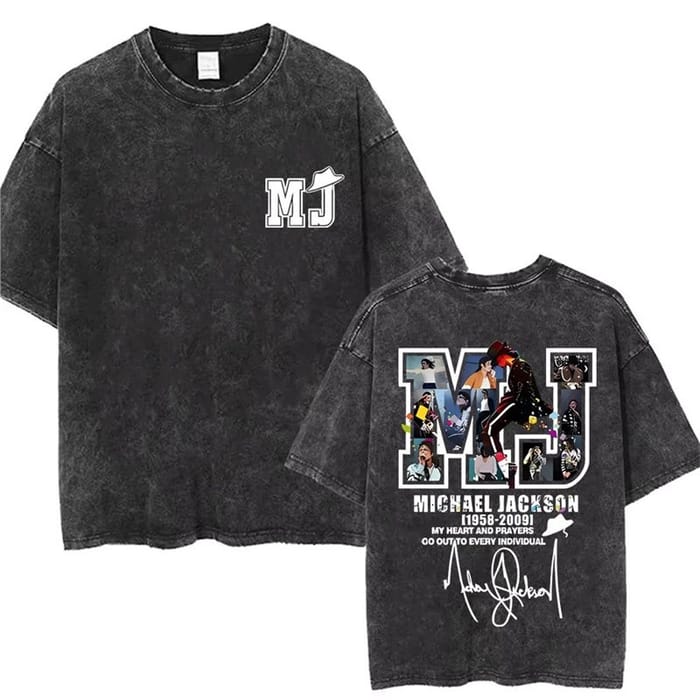 Michael Jackson Thriller Tribute T-Shirt Black$17.74 USDView Find →
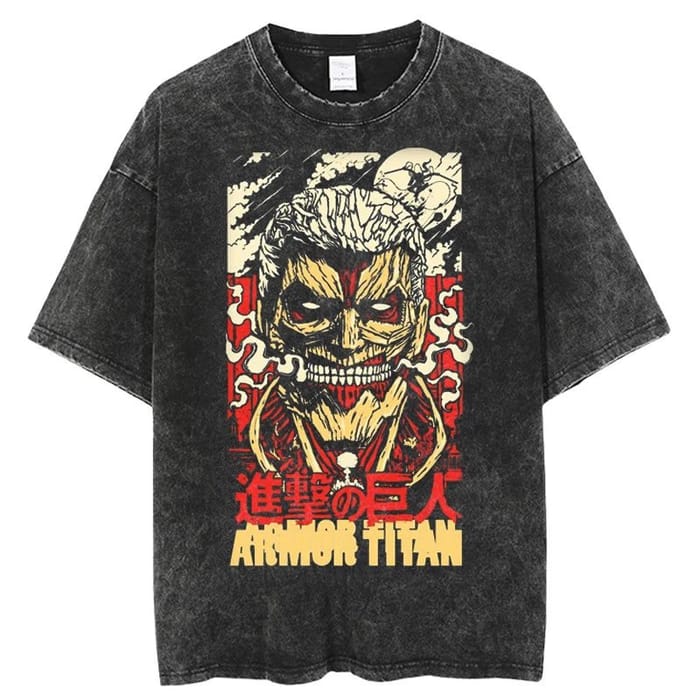 Attack on Titan Eren Yeager T-Shirt White Black$22.70 USDView Find →
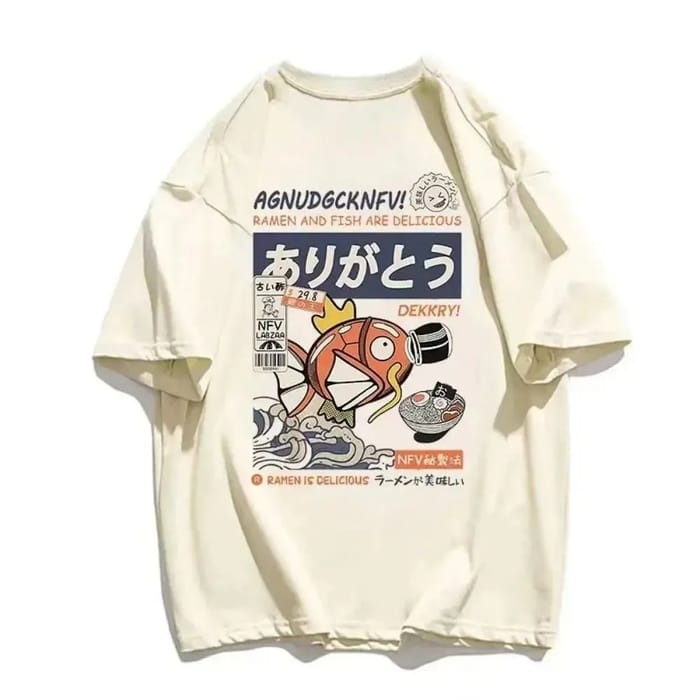 AGNUDGCKNFU! Ramen and Fish Are Delicious Yellow T-Shirt Printed$15.08 USDView Find →
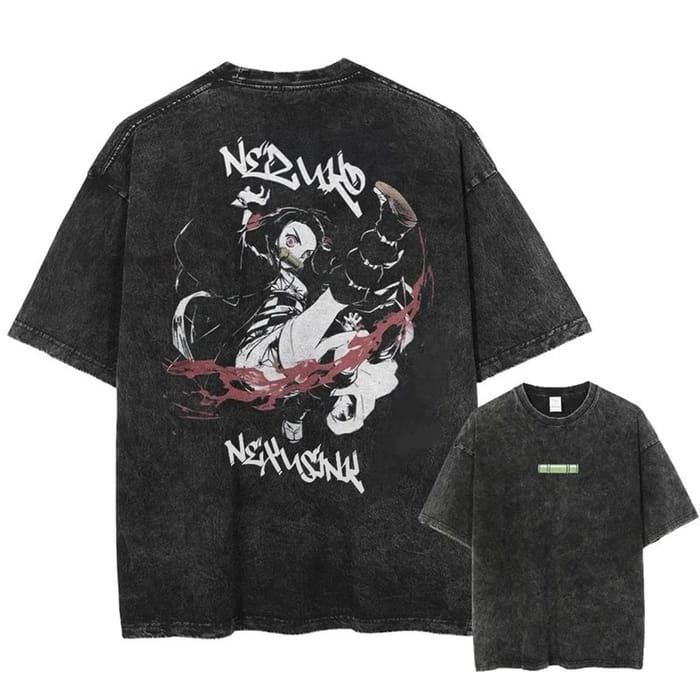 Demon Slayer T-Shirt Naruto Storm Design Black$20.93 USDView Find →
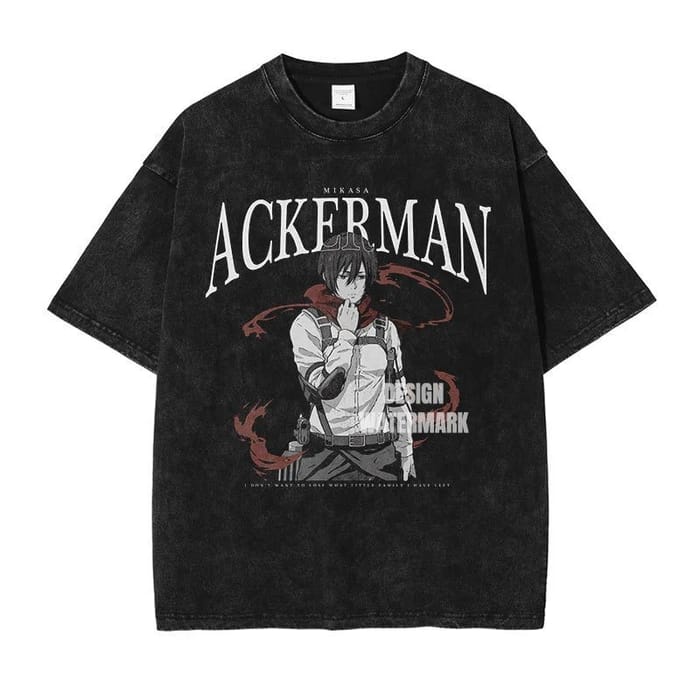 Greedom Attack T-Shirt Black$20.93 USDView Find →
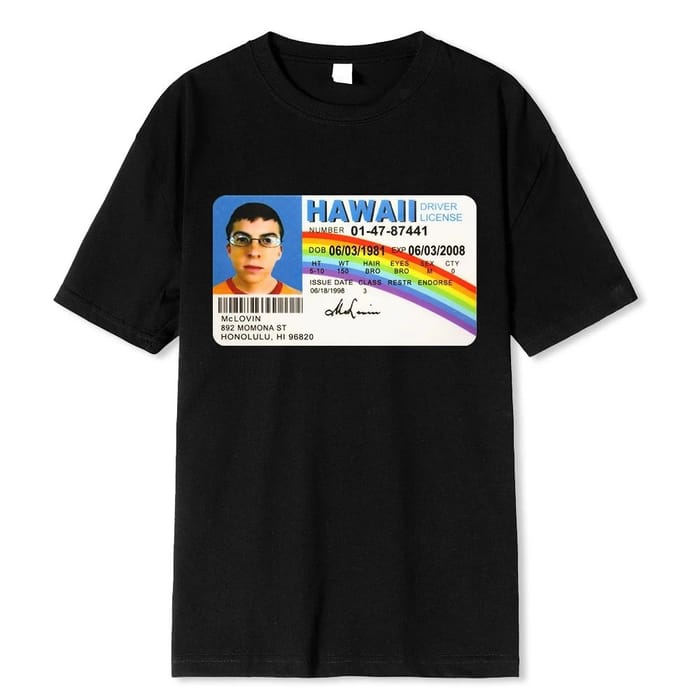 Hawaii Driver License T-Shirt White Cotton$13.48 USDView Find →
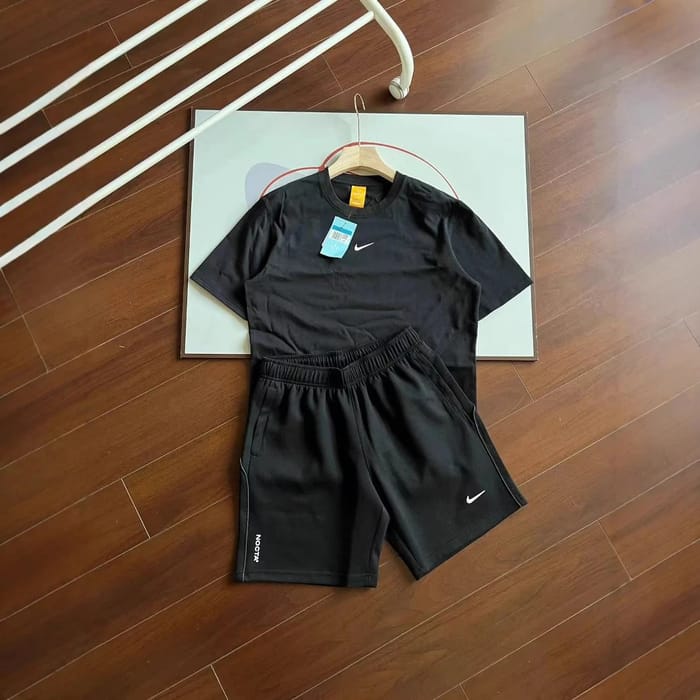 Nike Dri-FIT Short Sleeve T-Shirt and Shorts Set$14.63 USDView Find →
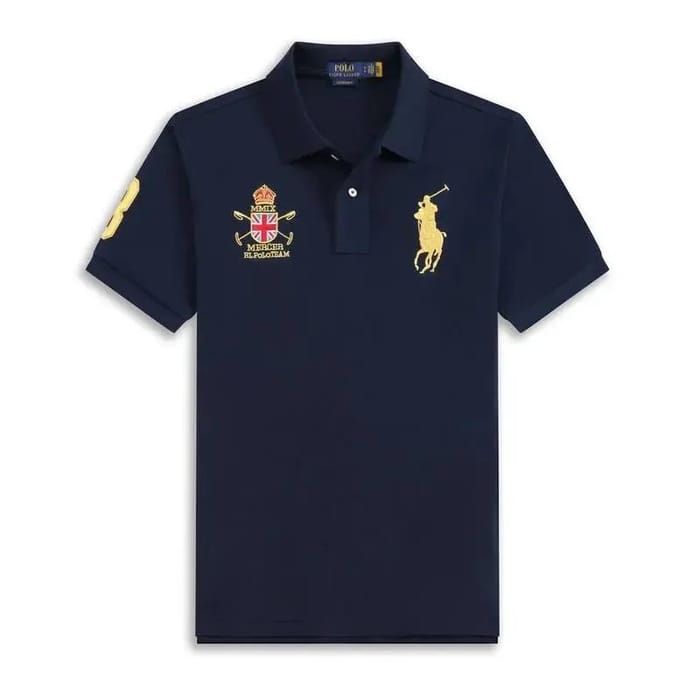 Ralph Lauren Polo Shirt with Gold Embroidery and Crest$18.11 USDView Find →
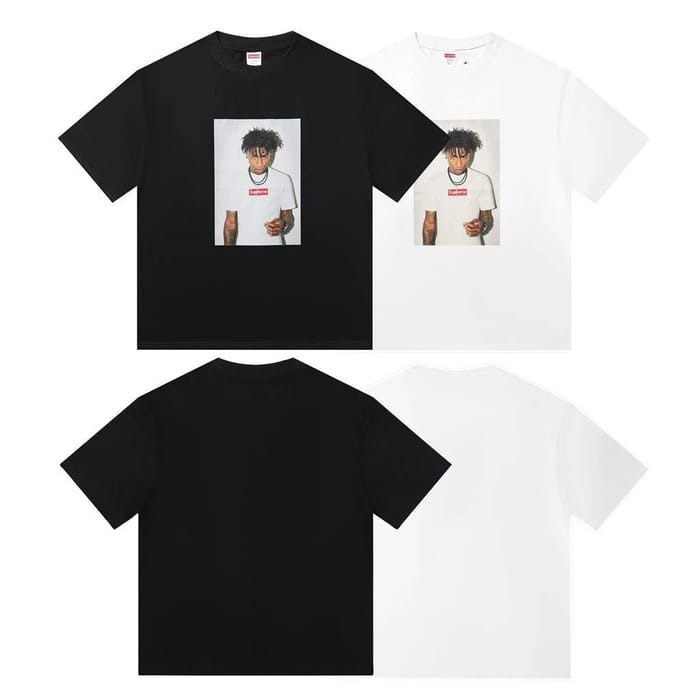 Supreme x Playboi Carti T-Shirt$14.63 USDView Find →
A Useful Two-Shirt Comparison
If you are deciding between two similar tees, write only four lines:
- chest width;
- body length;
- intended fit;
- print/style preference.
That tiny comparison is often enough to prevent a visually attractive but badly proportioned choice.
Make a Two-Shirt Reference Library
One reference T-shirt is useful. Two are better.
Keep measurements from one shirt that fits close to the body and another that gives you the relaxed fit you like. Those two references create a personal range. When a new listing sits between them, you have a clearer idea of what the finished fit may feel like.
Record the numbers using the same method each time:
- pit-to-pit width;
- back length from the upper shoulder area to the hem;
- shoulder width when the seam position matters;
- sleeve length when the cut is part of the look.
Do not mix body circumference with flat garment width. If a size chart does not state how it was measured, treat the comparison as lower confidence.
Graphic tees need a second kind of measurement
For a plain tee, overall fit can dominate the decision. For a graphic tee, the position and scale of the print become another decision layer.
Look at where the print begins relative to the collar, how far it sits from the side seams, and whether it is centered on the garment rather than only centered in the camera frame. If QC images are available, compare the print position to the whole shirt before zooming into edges or texture.
Example: when the larger size is not the better oversized option
Suppose size L has the chest width you want but adds much more body length than your reference shirt. Size M is slightly narrower but has the length and sleeve shape you prefer. Choosing L merely because "oversized means size up" could create a long fit rather than the boxy fit you intended.
The silhouette, not the size label, is the target.
T-Shirt Fit Questions
Chest width and body length are the best starting point. Shoulder and sleeve measurements become more important for oversized or unusual cuts.
Height and weight can provide context, but a reference garment gives you a more direct fit comparison.
QC measurements can help, but the final fit also depends on your body proportions and how you prefer the shirt to sit.