
Other Finds
More BBDBuy Finds: When the Category Is Vague, Make the Specification Specific
"Other" Should Not Mean "No Research Method"
Some products do not fit neatly into shoes, apparel, bags, watches or electronics.
That does not mean they should be compared casually.
The solution is to identify the single specification most likely to make the item useful or useless.
Find the Decision Variable
For a small accessory, it may be dimensions.
For a home item, it may be material or size.
For jewelry, it may be chain length, ring size or closure.
For a phone-related item, it may be model compatibility.
For a multi-piece set, it may be quantity.
For a fragile object, it may be packaging and shipping risk.
For a restricted product type, it may be route eligibility.
Ask One Hard Question Before Browsing Further
Examples:
"Will this fit the device I own?"
"Will this physically fit in the space I have?"
"Does this listing include all pieces shown?"
"Is this item accepted by a practical shipping route?"
"Is the size method clear enough to order?"
Once you identify the hard question, the rest of the product information becomes easier to sort.
Browse Mixed Products With a Specific Question
Use real W2C products that do not fit the main categories. Each card should still display a sensible category/subtype where possible so the page does not become an unstructured dump.
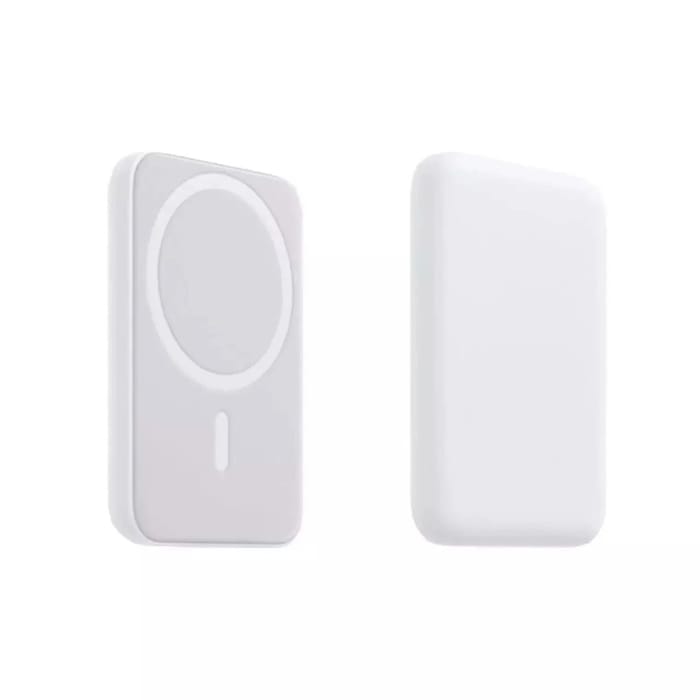 MagSafe Battery Pack$14.50 USDView Find →
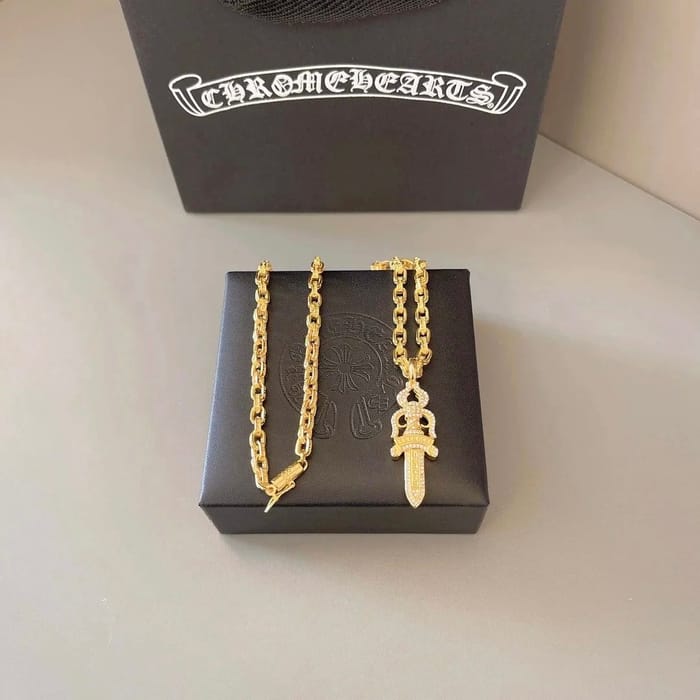 Chrome Hearts Gold Dagger Pendant Necklace$46.56 USDView Find →
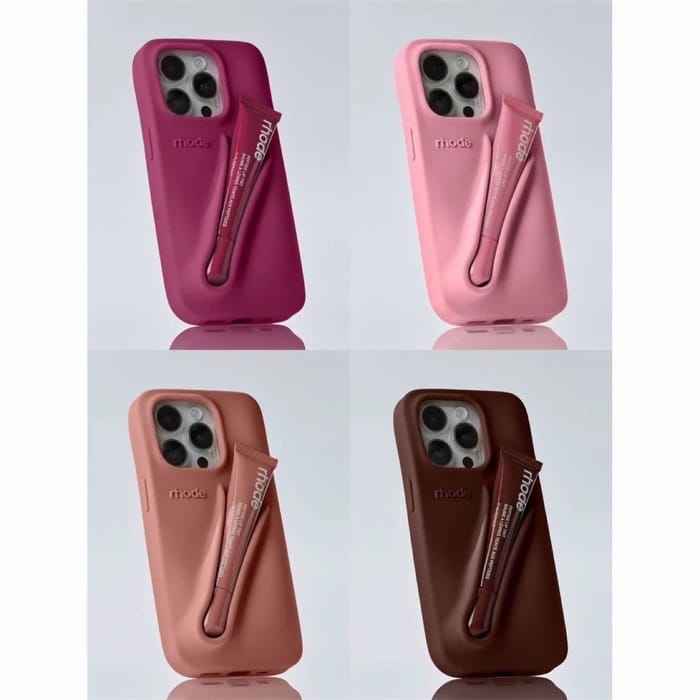 Rhode Phone Case with Lipstick Holder$11.08 USDView Find →
 Audi A7 Model Car$13.38 USDView Find →
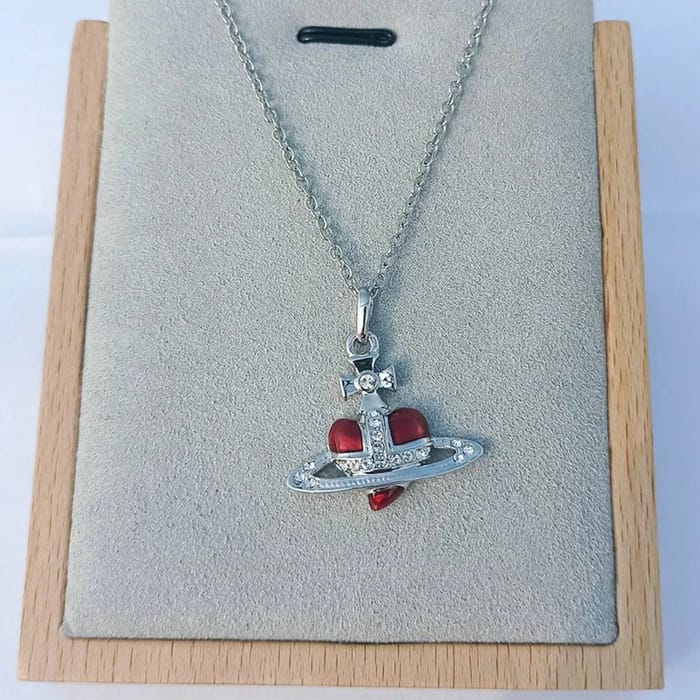 Vivienne Westwood Orb Pendant Necklace$13.30 USDView Find →
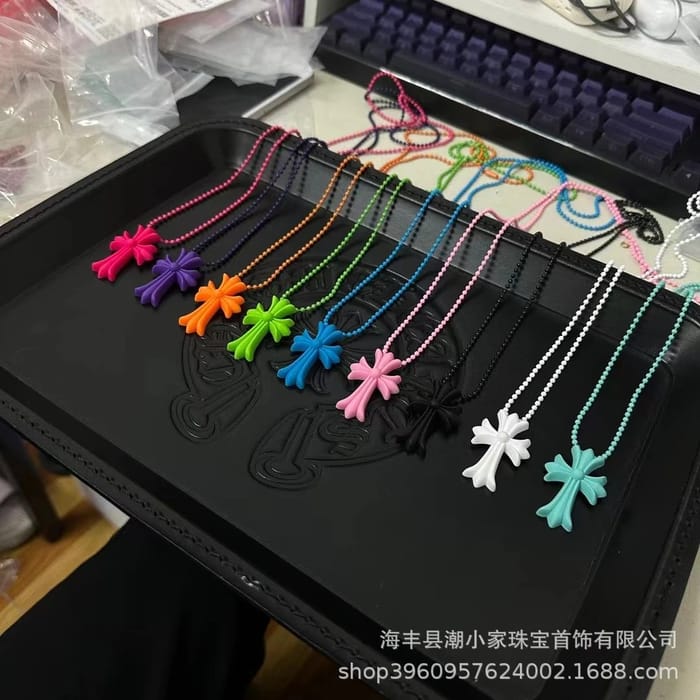 Hip-Hop Rainbow Cross Necklace for Women, Trendy Youthful Pendant, Multiple Color Options$10.32 USDView Find →
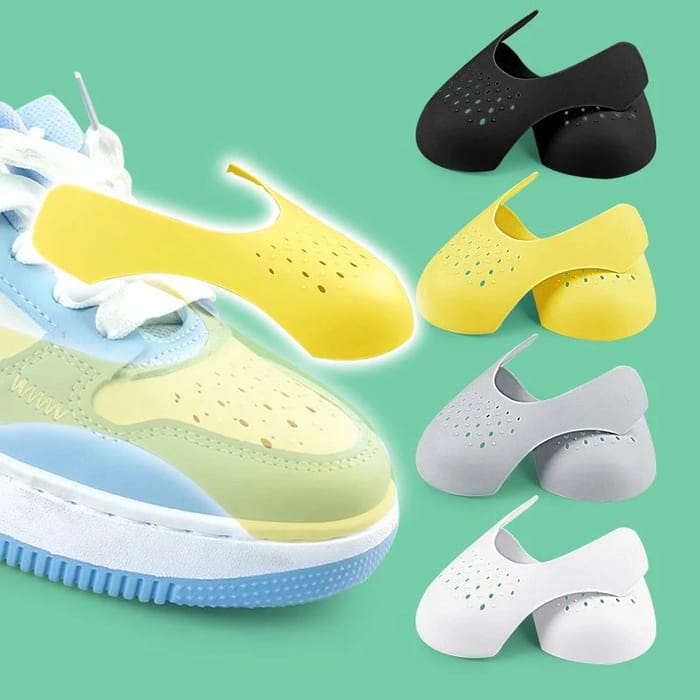 Silicone Shoe Covers for Sneakers - Black, Yellow, Gray, White$1.77 USDView Find →
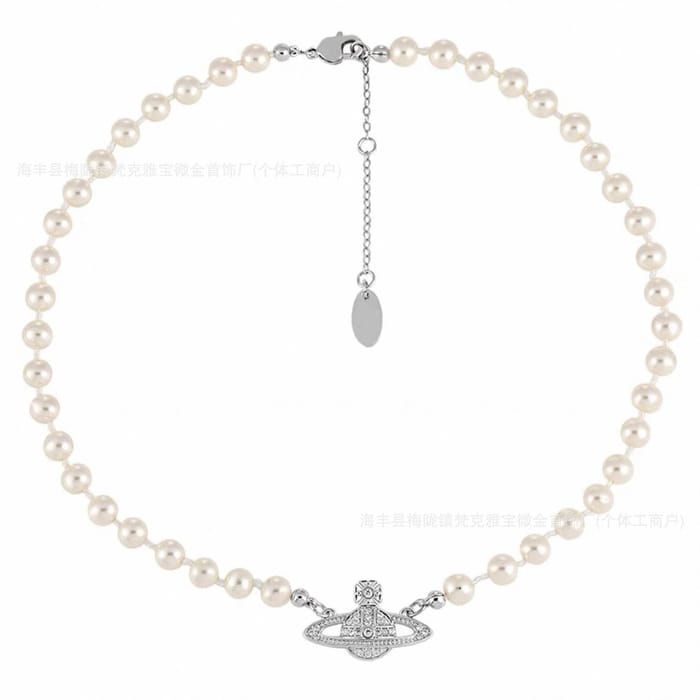 Pearl Necklace with Saturn Pendant$5.49 USDView Find →
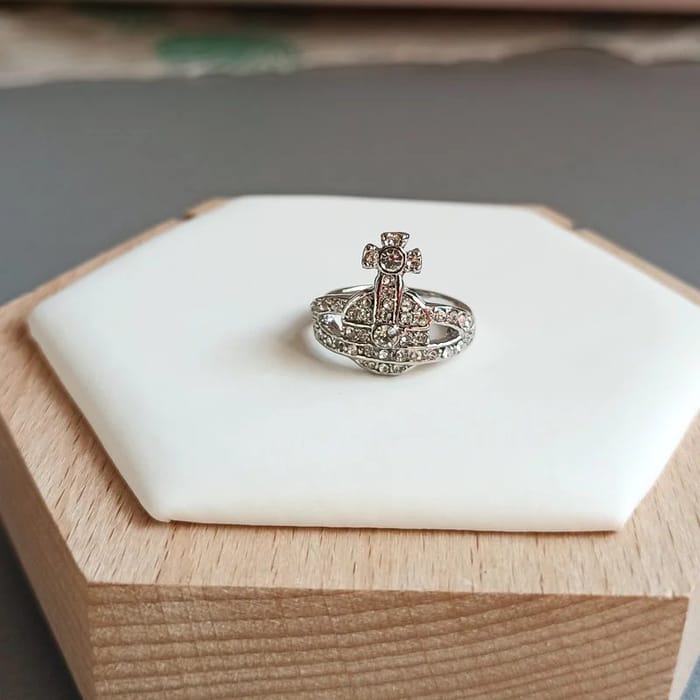 Crystal Crown Ring$6.87 USDView Find →
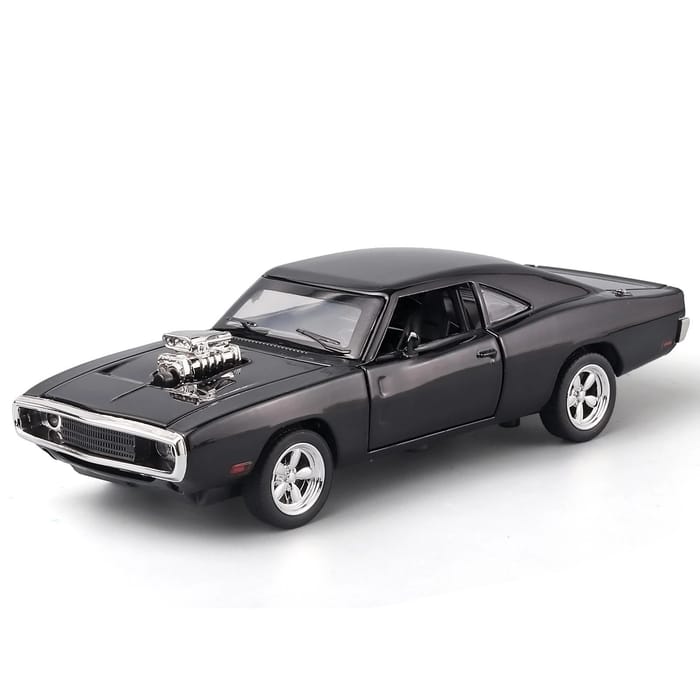 1:32 Dodge Mustang Alloy Model Car with Sound and Light Effects$10.39 USDView Find →
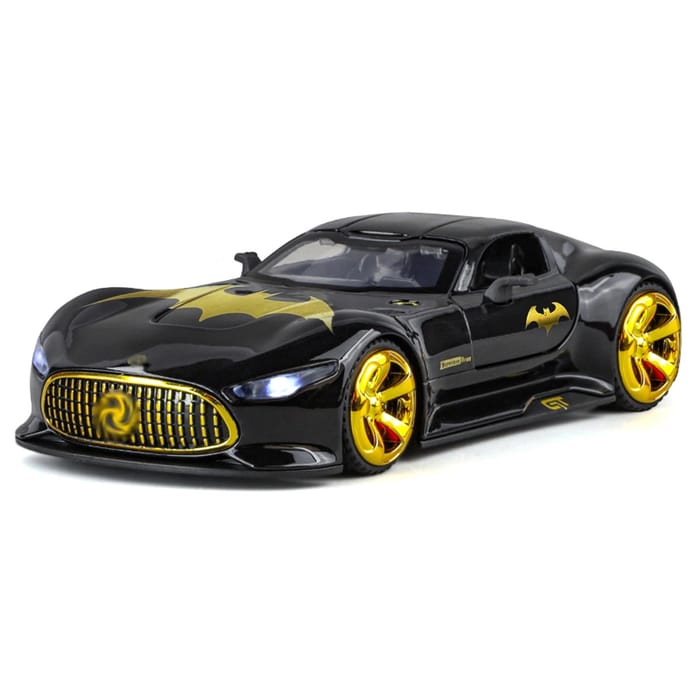 Batman Black and Gold Die-Cast Sports Car Model$9.06 USDView Find →
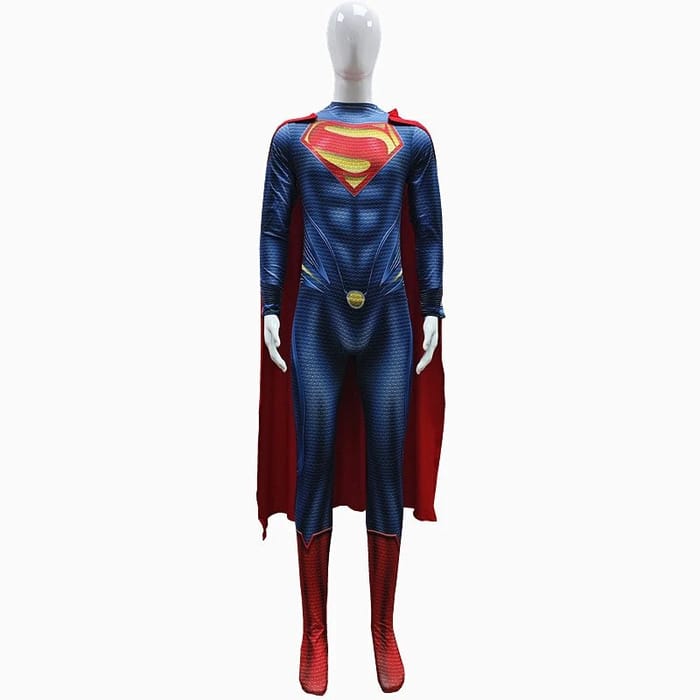 Batman Costume Full Body Suit with Cape Set$18.36 USDView Find →
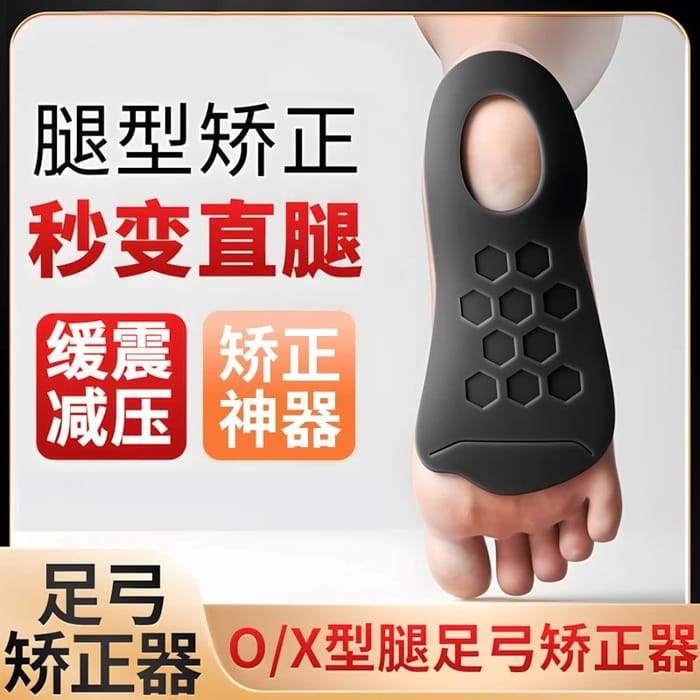 O/X Leg Arch Corrector Insole$1.14 USDView Find →
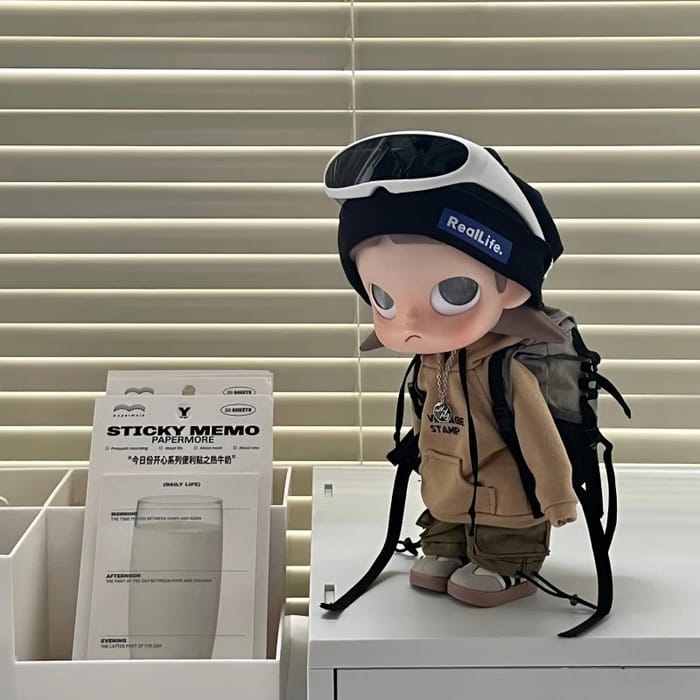 RealLife Doll with Backpack and Ski Goggles$8.87 USDView Find →
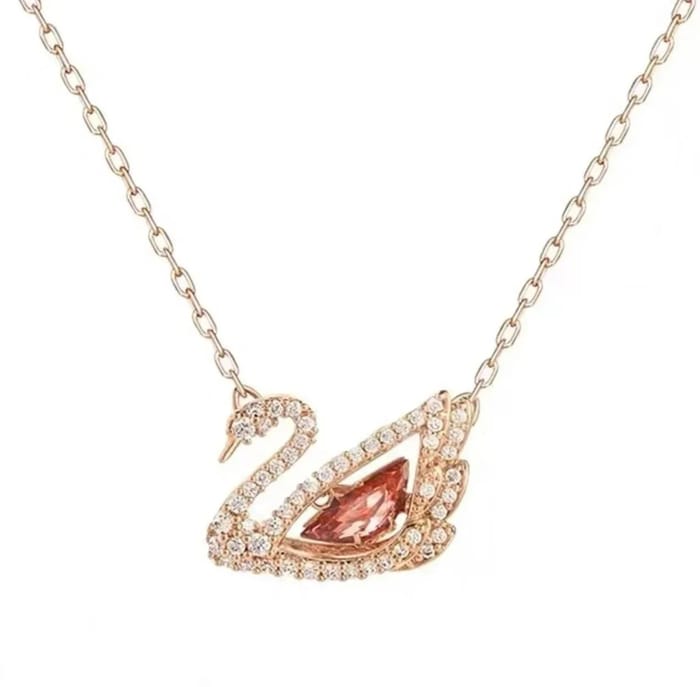 Swarovski Swan Necklace in Blue Crystal$1.76 USDView Find →
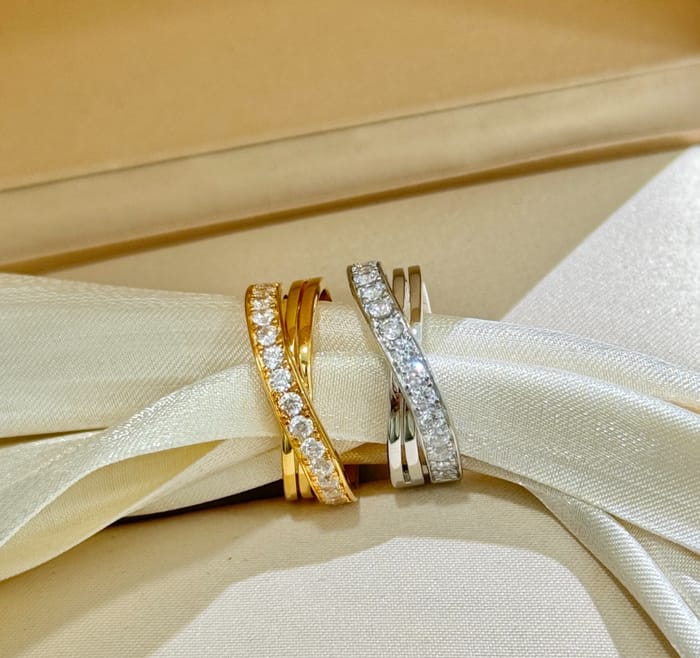 Cartier Love Rose Gold Ring$31.92 USDView Find →
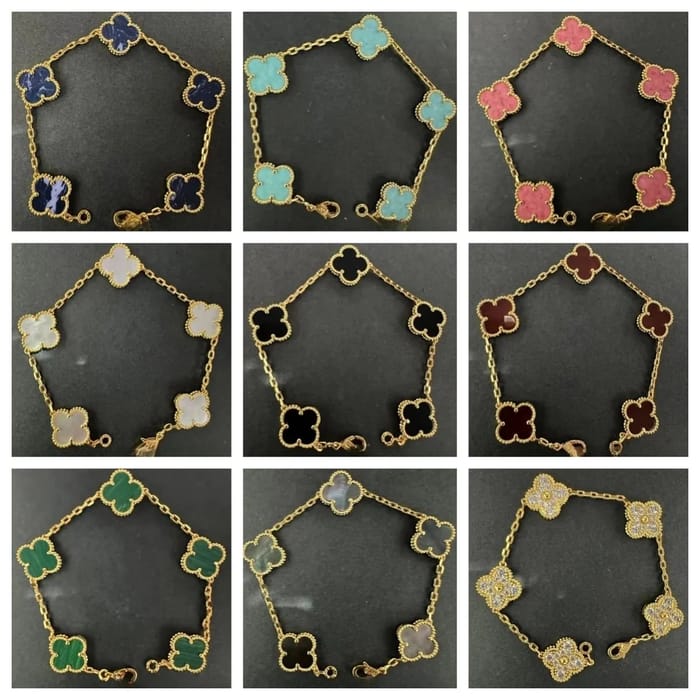 Van Cleef Arpels Alhambra Bracelet in Green Malachite$17.44 USDView Find →
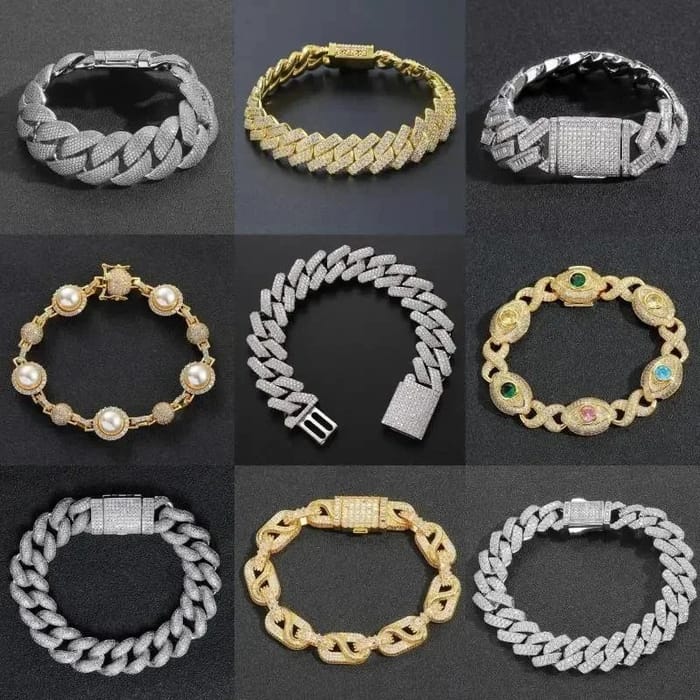 Iced Out Cuban Link Bracelet in Silver$13.30 USDView Find →
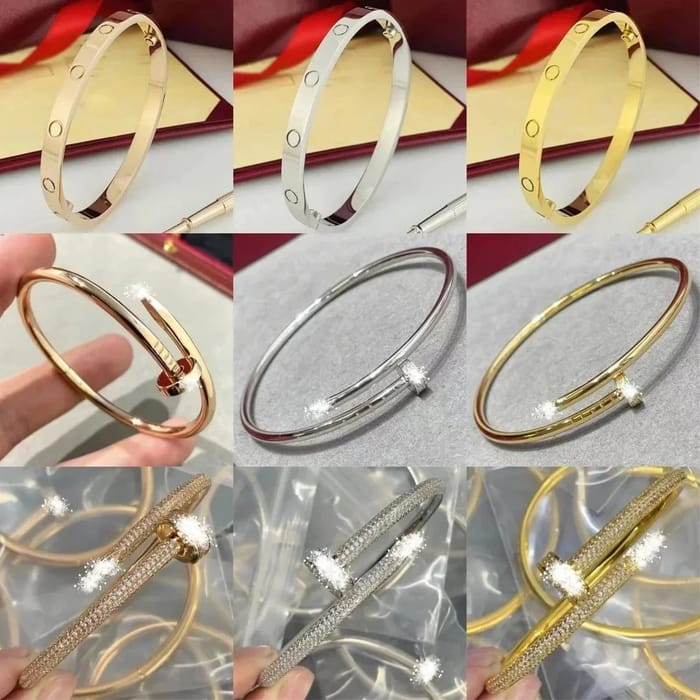 Cartier Love Set Red Jewelry Packaging$1.60 USDView Find →
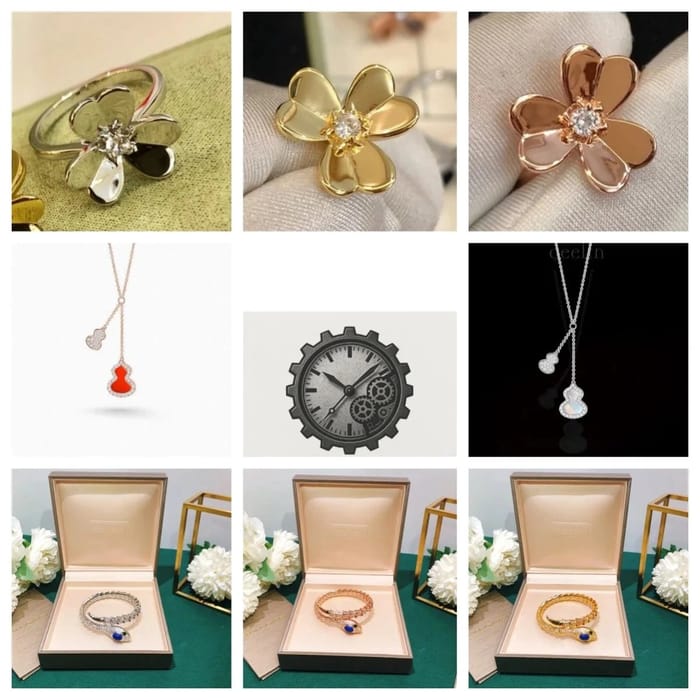 Bvlgari Serpenti Snake Bracelet with Blue Sapphire Eyes$28.73 USDView Find →
Do Not Force a Product Into the Wrong Category
If the W2C source clearly classifies an item elsewhere, keep it there. "Other Finds" is for genuine taxonomy leftovers, not a shortcut for products that were inconvenient to classify.
Give Every Miscellaneous Product One Decisive Variable
A mixed category becomes useful when you stop applying the same checklist to everything.
Ask: What single specification would make this item unusable for me?
For a phone stand, it may be device width. For a storage box, it may be internal dimensions. For a key holder, it may be attachment type. For a small home item, it may be voltage, size, material or shipping restriction.
Write that variable down before opening multiple products.
Then add one evidence question
After identifying the decisive specification, ask what evidence would confirm it.
Examples:
- dimension diagram;
- connector photo;
- model-number field;
- ruler image;
- quantity selector;
- close-up of the attachment point.
This creates a reusable research method without pretending that unrelated products share the same decision logic.
Mixed categories need stronger exit discipline
If a listing does not answer the one specification you defined as essential, do not keep reading simply because the product photo is attractive. Either find the missing information through a trustworthy current source or move to a listing that explains the requirement clearly.
The best use of "Other Finds" is discovery with a hard filter, not endless browsing.
Use a Mini Spec Card for Products That Do Not Fit a Standard Template
For a miscellaneous product, write three lines before you compare alternatives:
Must have: the requirement that cannot be compromised.
Nice to have: a preference that improves the choice but is not essential.
Unknown: the fact the current listing does not explain clearly.
Example for a small desk lamp:
Must have: connector and voltage compatible with the intended setup.
Nice to have: adjustable color temperature.
Unknown: whether the cable is included.
This mini spec card prevents the product photo from becoming the only decision tool. It also makes it easier to compare unrelated-looking listings on the one requirement that actually matters.
Questions for Mixed Product Research
Identify the product-specific variable that can make the item unsuitable—size, compatibility, quantity, route eligibility or another specification—and compare that first.
Use QC when it answers a visible question. The exact checklist depends on the product type.
Only when the source taxonomy genuinely does not place the item in those clearer categories. Prefer the most specific accurate category available.