
Jackets
BBDBuy Jacket Finds: Choose for the Layer Underneath, Not Just the Layer You See
Start With the Under-Layer
A jacket worn over a T-shirt and the same jacket worn over a thick hoodie are two different fit problems.
Before choosing a size, decide what normally goes underneath.
If the jacket is for transitional weather, you may want a lighter, closer fit.
If it is intended for cold weather or layered outfits, chest and shoulder room become more important.
Jacket Type Changes the Measurement Priorities
Movement, sleeve length and overall length may matter more than thick insulation room.
Internal volume, shoulder space and total bulk become more important.
Shoulder position, closure alignment and body length can define the silhouette.
Do not treat extra width as a sizing mistake when it is part of the design.
Hardware Deserves Its Own Check
Jackets introduce moving parts that a T-shirt does not have:
- zippers;
- snaps;
- drawcords;
- pockets;
- detachable components;
- adjustable cuffs.
When QC images allow, check that visible closures align and that obvious components appear present.
Find the Jacket That Fits the Use Case
Browse real current W2C jacket products. Keep the product only if its type, measurements and layering potential match the way you expect to wear it.
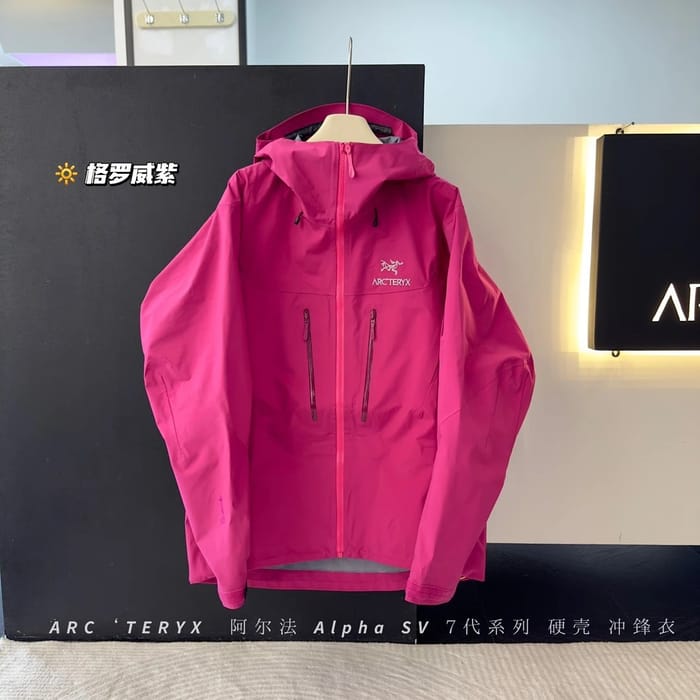 Arc'teryx Alpha SV 7th Generation Hardshell Jacket$72.42 USDView Find →
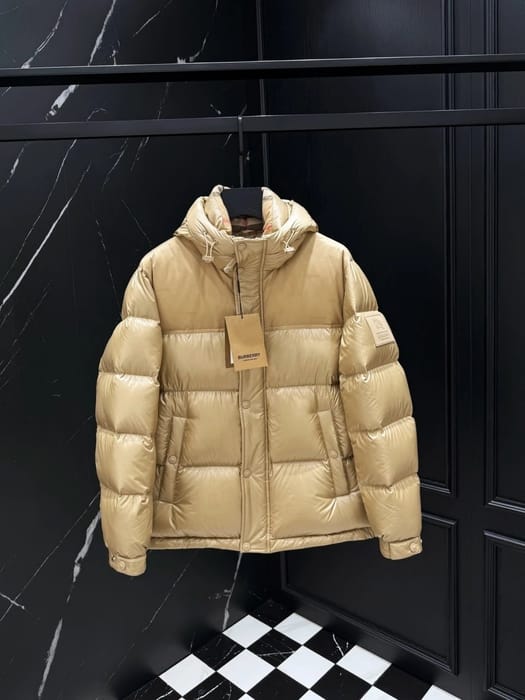 Burberry Gold Puffer Jacket$131.54 USDView Find →
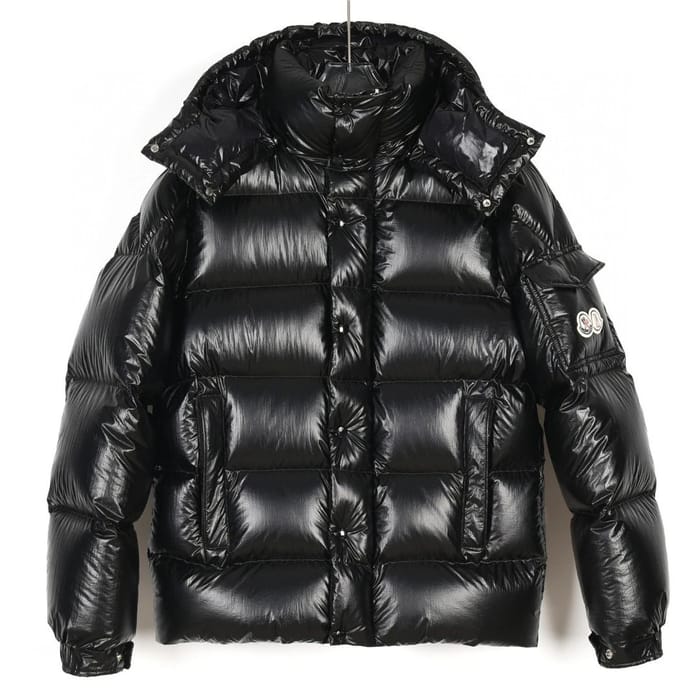 Moncler Black Quilted Down Jacket$91.63 USDView Find →
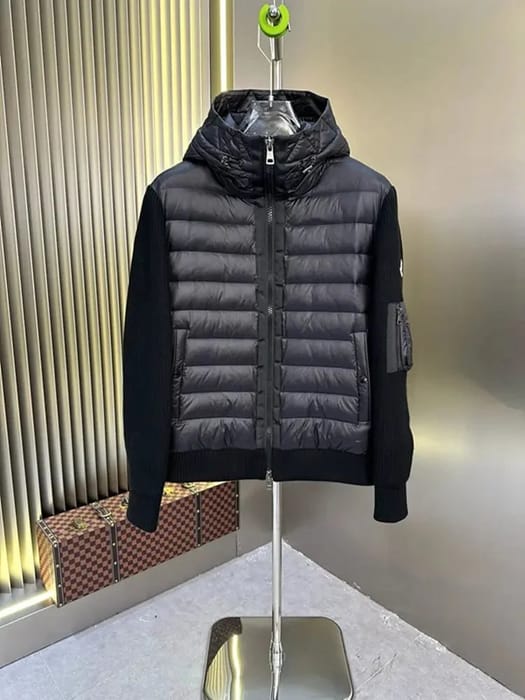 Moncler Black Quilted Hooded Jacket$45.82 USDView Find →
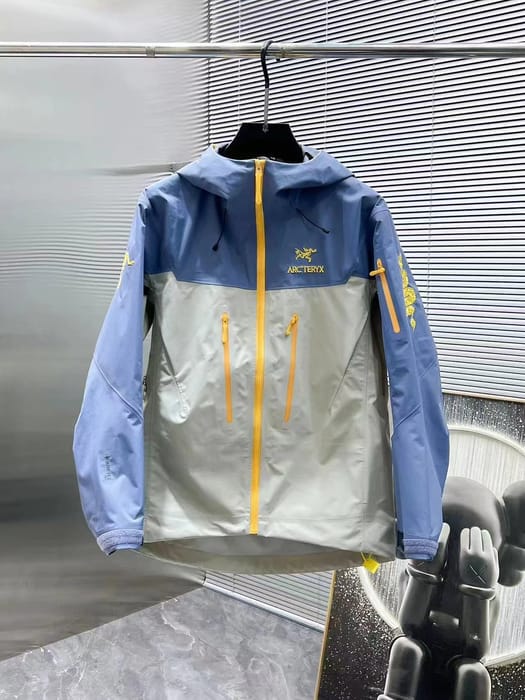 Arc'teryx Jacket$82.77 USDView Find →
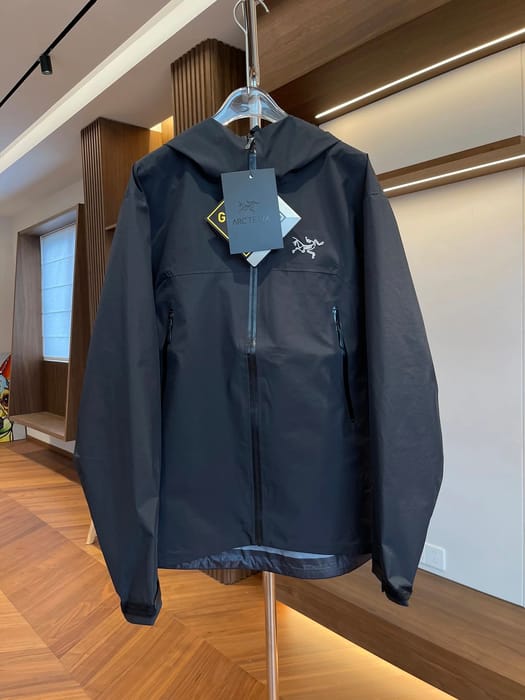 Arc'teryx Black Hooded Jacket$72.42 USDView Find →
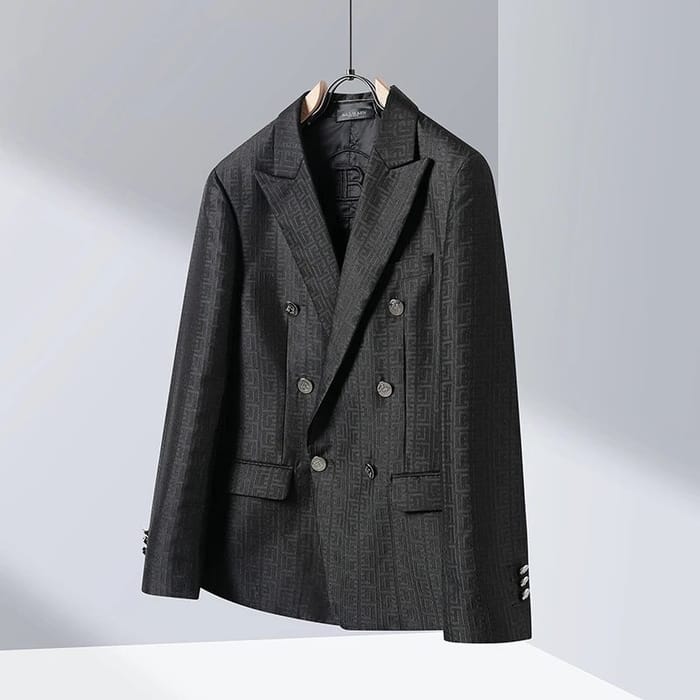 Balmain Double-Breasted Checkered Wool Blazer Black$65.03 USDView Find →
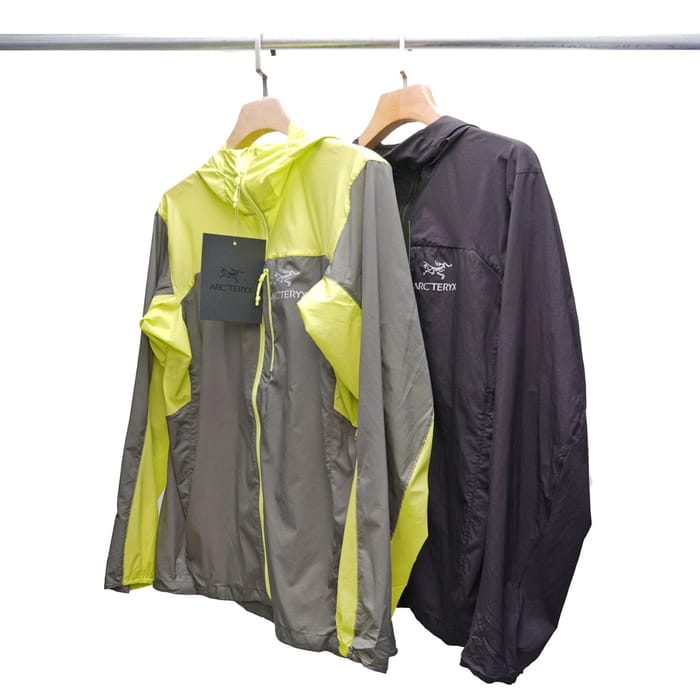 Arc'teryx Lightweight Windbreaker Jacket$47.30 USDView Find →
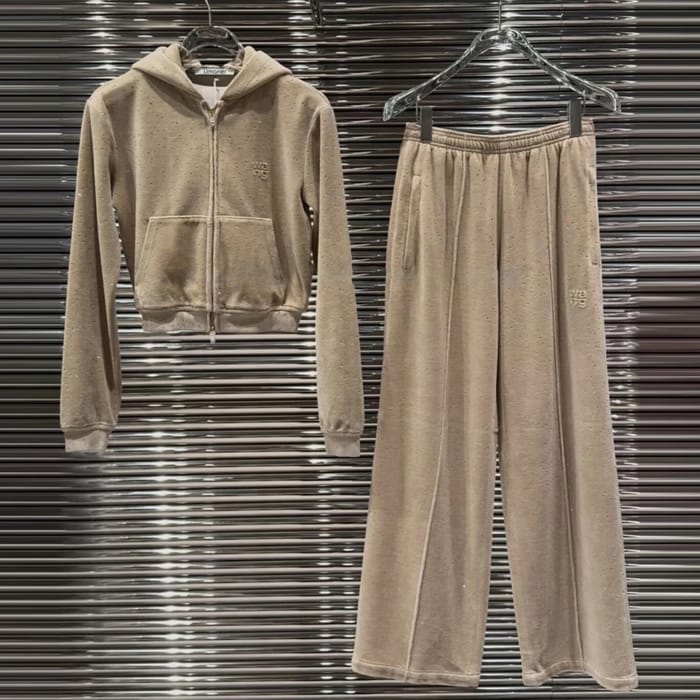 Velvet Rhinestone Beige Long-Sleeve Casual Short Jacket for Women$36.77 USDView Find →
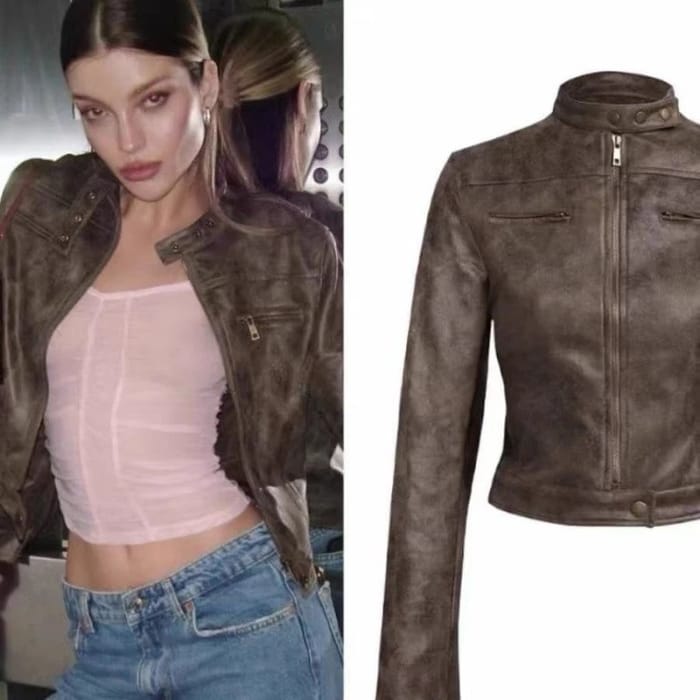 Brown Suede Moto Jacket$31.01 USDView Find →
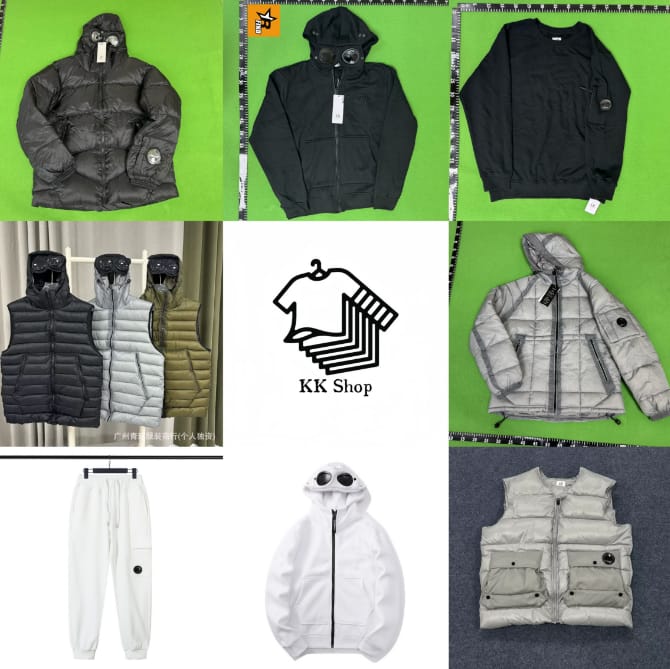 C.P. Company Black Puffer Jacket and Hooded Sweatshirt Set$17.74 USDView Find →
 The North Face Nuptse Down Jacket Olive Green Black Cotton$17.56 USDView Find →
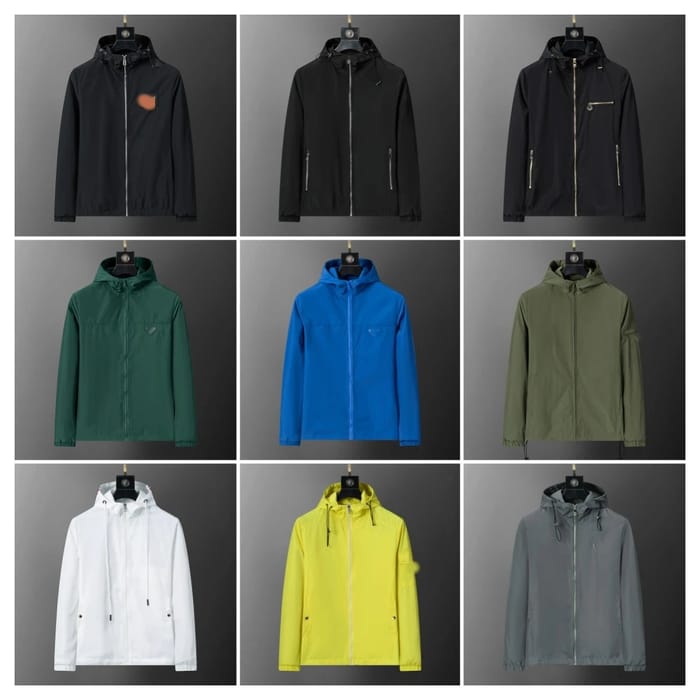 Gucci Gg Marmont Camo Hooded Jacket Unisex$47.00 USDView Find →
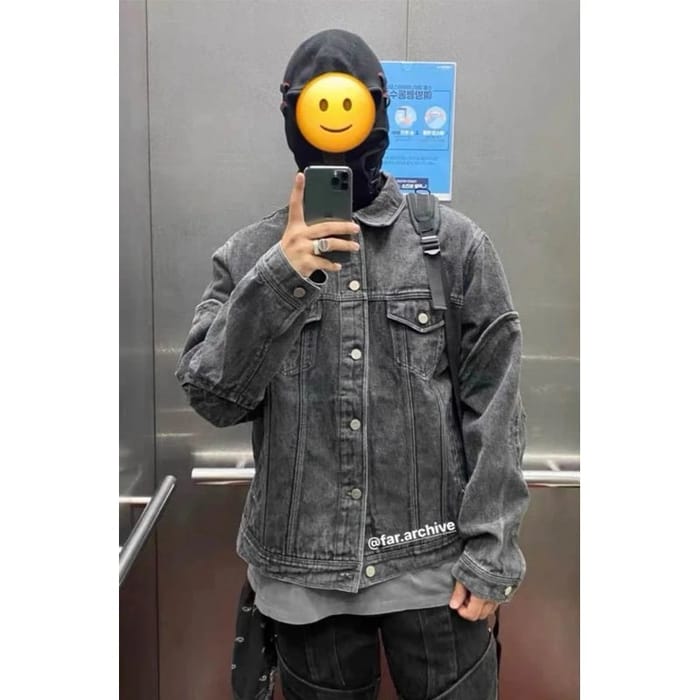 FIVE CM Reversible leopard print denim jacket Printed$45.52 USDView Find →
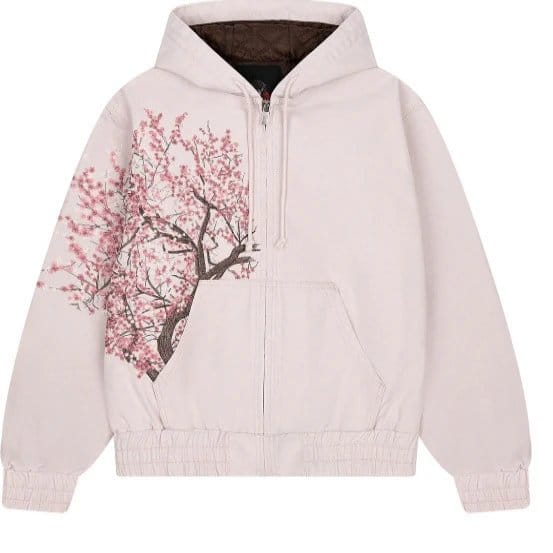 Derschutze Blossom V2 Cherry Blossom Hooded Jacket Pink$33.70 USDView Find →
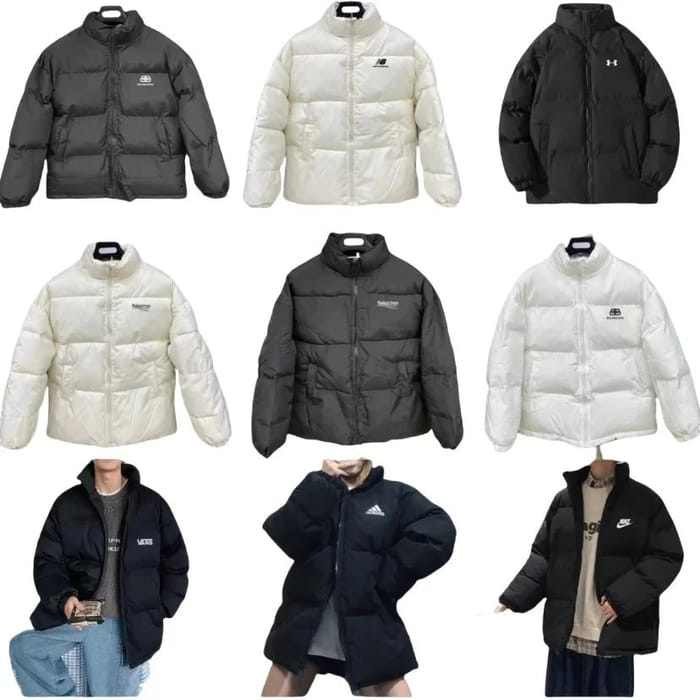 Burberry Black Equestrian Knight Windbreaker Jacket Cotton$22.17 USDView Find →
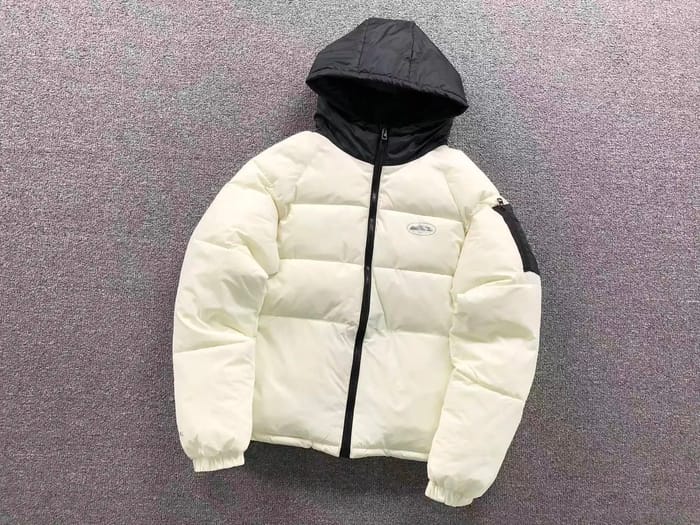 Corteiz 09 Black Yellow Reversible Down Jacket Cotton$44.16 USDView Find →
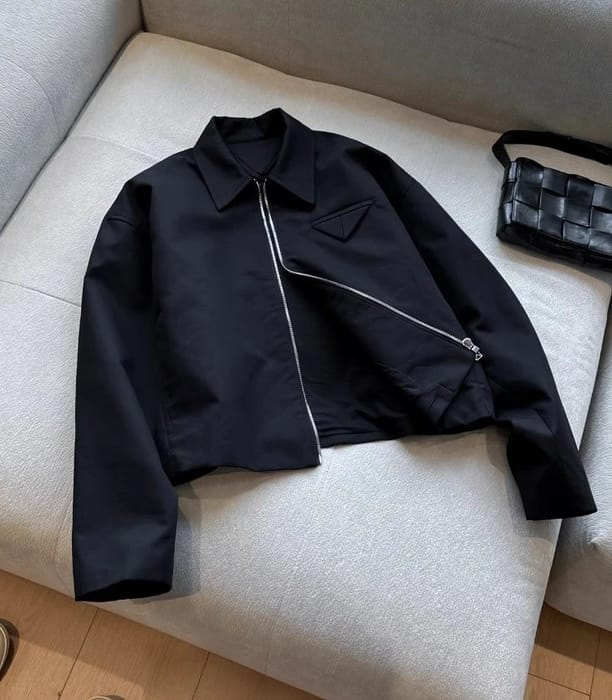 Bottega Veneta Short Black Leather Jacket$41.09 USDView Find →
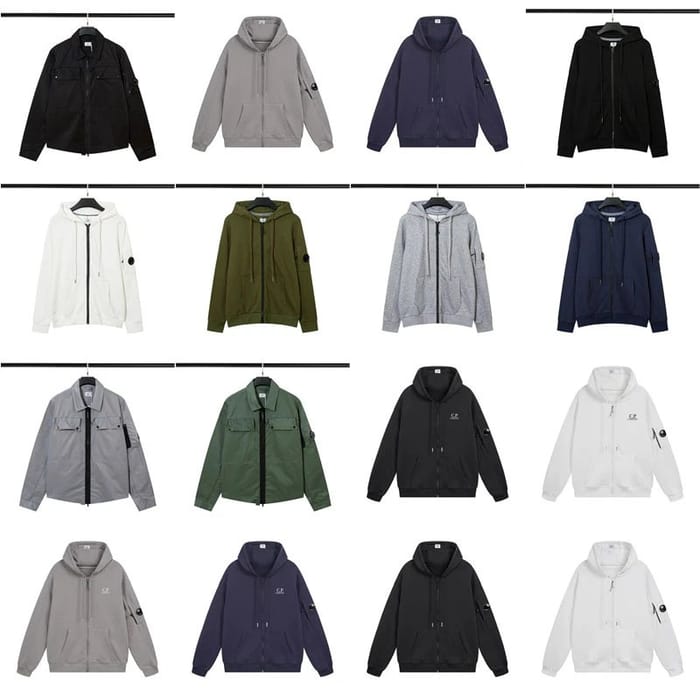 C P Comany Jacket$42.27 USDView Find →
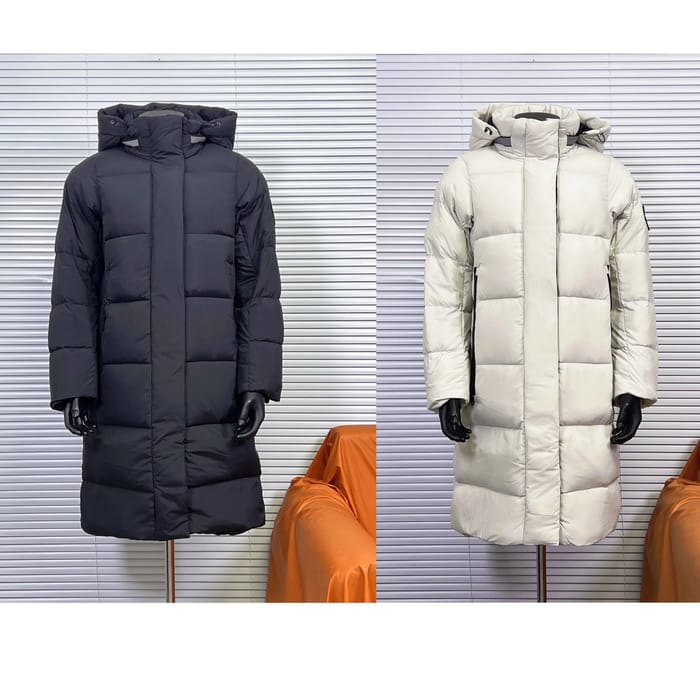 CANADA GOOSE Ouyang Nana long Puffer Coat$85.72 USDView Find →
Parcel Reality
Jackets can become parcel drivers. A bulky puffer may affect dimensions more than several thin garments. Do not let that stop you from buying the jacket you want; simply recognise that outerwear deserves earlier shipping awareness than a T-shirt.
Layering Changes the Correct Answer
A jacket is one of the few garments where the right size can change depending on what you plan to wear underneath it.
If the jacket is mainly a light outer shell over a T-shirt, your reference can be another lightweight jacket. If it must fit over a hoodie, compare it with an outer layer that already has enough room for that combination.
Chest width alone may not be enough. Armhole space, shoulder construction and sleeve width can determine whether the jacket still moves comfortably once another layer is underneath.
Treat insulation as both a fit and parcel variable
Padded and puffer jackets occupy space even when they are not especially heavy. Compression may reduce volume, but the amount of compression you are comfortable with depends on the garment and how you want it packed.
That means the same feature—loft—affects two decisions:
- how much internal room the jacket needs for comfortable movement;
- how much volume it may add to the outbound parcel.
You do not need a precise shipping calculation while browsing. You only need to recognize that a bulky outer layer behaves differently from a thin windbreaker.
Hardware deserves a functional scan
QC images can be useful for checking whether zippers, snaps, drawcords and visible fasteners appear present and aligned. A still image cannot prove that a zipper will operate perfectly, but it can reveal missing parts, obvious damage or a visibly incorrect closure.
For a jacket, those functional-looking details deserve attention before decorative micro-details.
Jacket Fit and Parcel Questions
There is no universal number. Compare with a jacket you already wear over the same kind of layer and use those garment dimensions as your guide.
Visible size, measurements, overall shape, closures, pocket alignment, obvious damage and whether the intended components appear present.
Not necessarily, but thick or padded jackets can add significant weight or volume. The actual effect depends on the final parcel and route rules.