
Glasses
BBDBuy Glasses Finds: Frame Geometry Matters More Than the Close-Up
Use a Pair That Already Fits
Eyewear is easier to judge when you have a reference.
Look at a pair you already wear comfortably. If measurements are printed inside the temple, note them. If not, measure carefully enough to create a rough comparison.
Useful dimensions can include:
- lens width;
- bridge width;
- total frame width;
- temple length;
- lens height when shape matters.
Shape and Size Work Together
Two frames with the same width can look very different because one is tall and round while another is shallow and rectangular.
Do not choose by width alone. Compare the geometry with the look you want and the proportions of a frame you already know.
Visible QC Checks
Look for:
- frame symmetry;
- straight temples;
- hinge alignment;
- visible scratches;
- lens condition;
- nose-pad alignment when applicable;
- correct color or variation.
A static image cannot prove optical quality or prescription accuracy unless that information is separately documented and relevant.
Compare Measurements Before Face Shape Advice
Generic "best glasses for your face shape" rules are less useful than knowing whether the frame physically fits. Browse real W2C eyewear and start with scale.
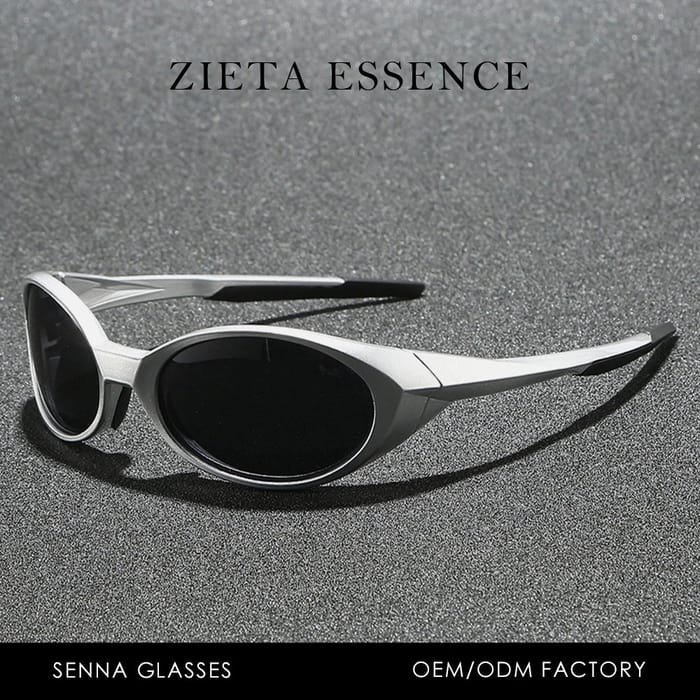 ZIETA ESSENCE Senna Glasses Black/Ice-Blue$5.59 USDView Find →
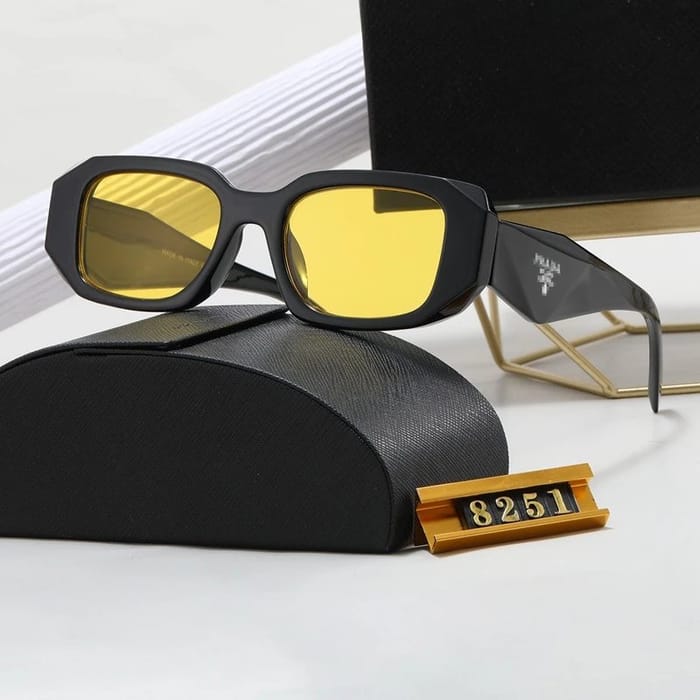 Prada 8251 Black Frame Sunglasses$20.40 USDView Find →
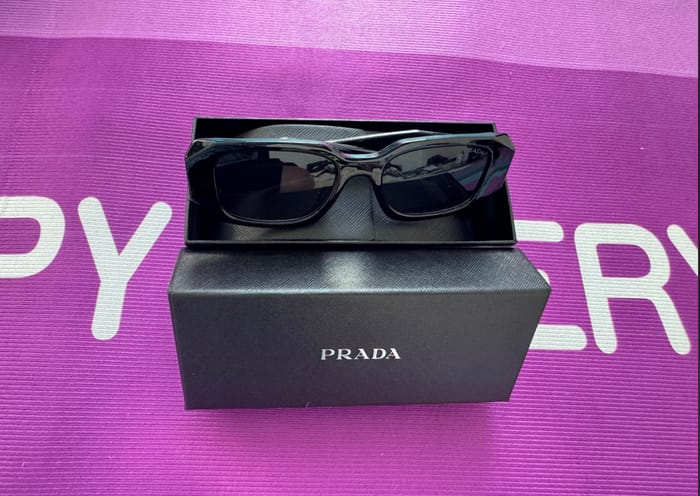 Prada PR 17WS Black Sunglasses$26.46 USDView Find →
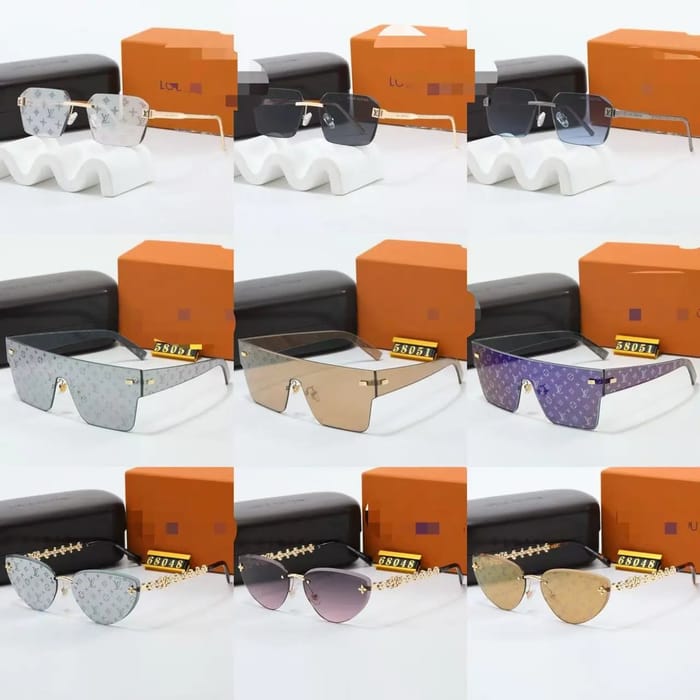 Louis Vuitton LV Glasses$10.29 USDView Find →
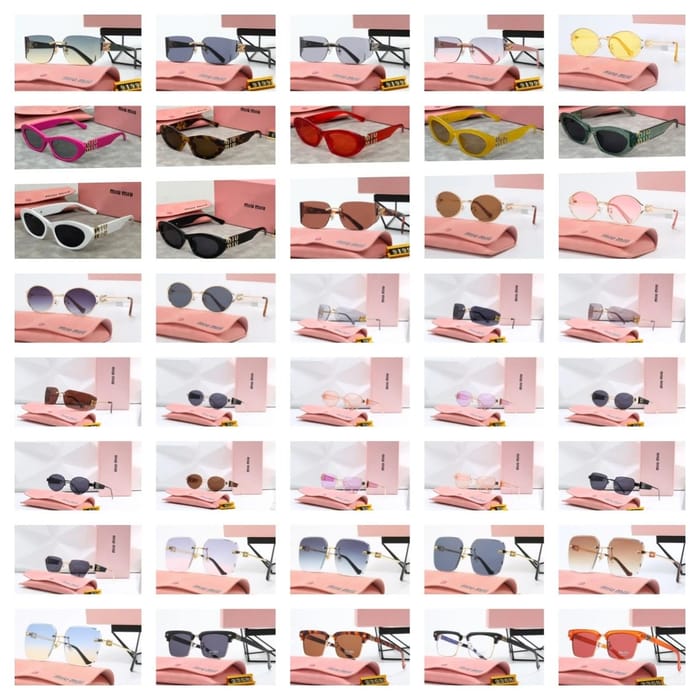 miumiu fashion sunglasses$10.20 USDView Find →
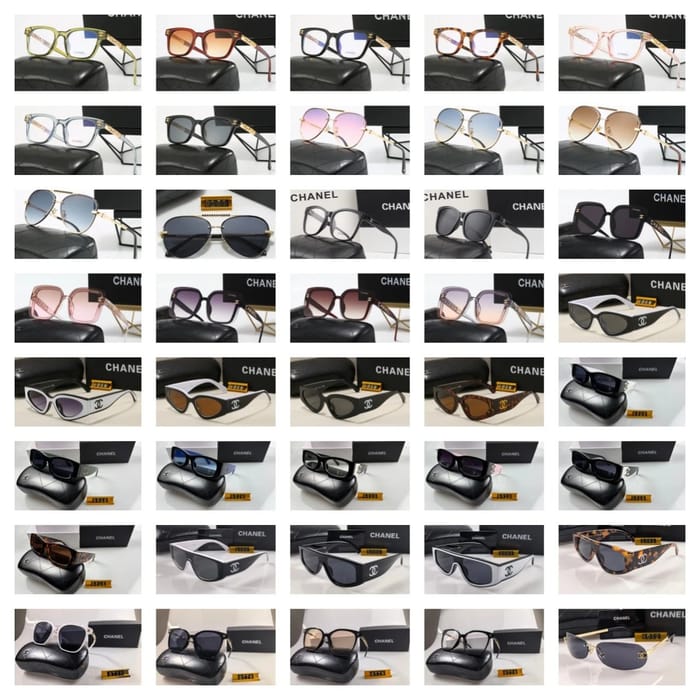 Chanel fashion sunglasses$10.20 USDView Find →
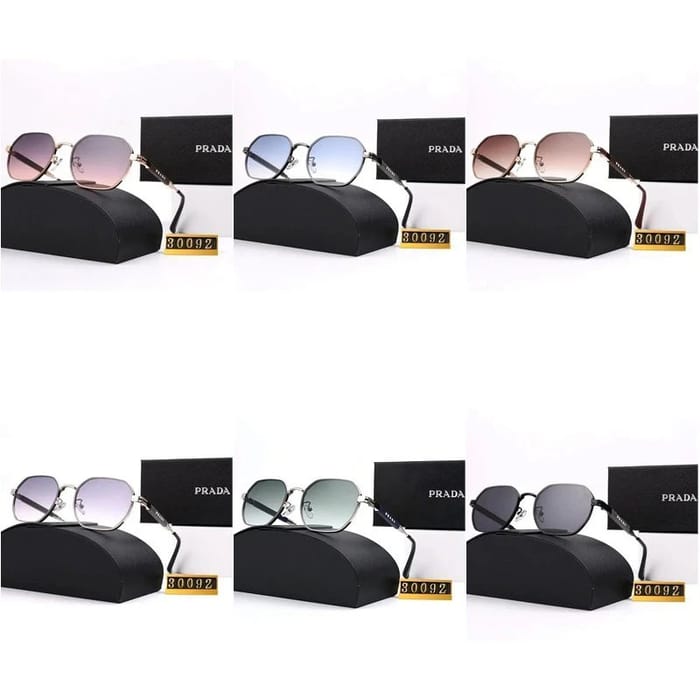 PRADA Sunglasses$20.40 USDView Find →
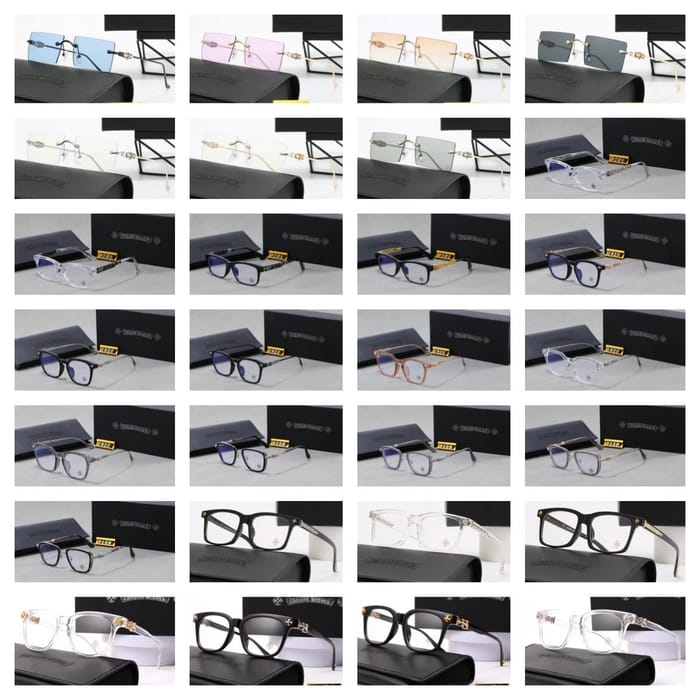 Kroxin Fashion sunglasses$10.20 USDView Find →
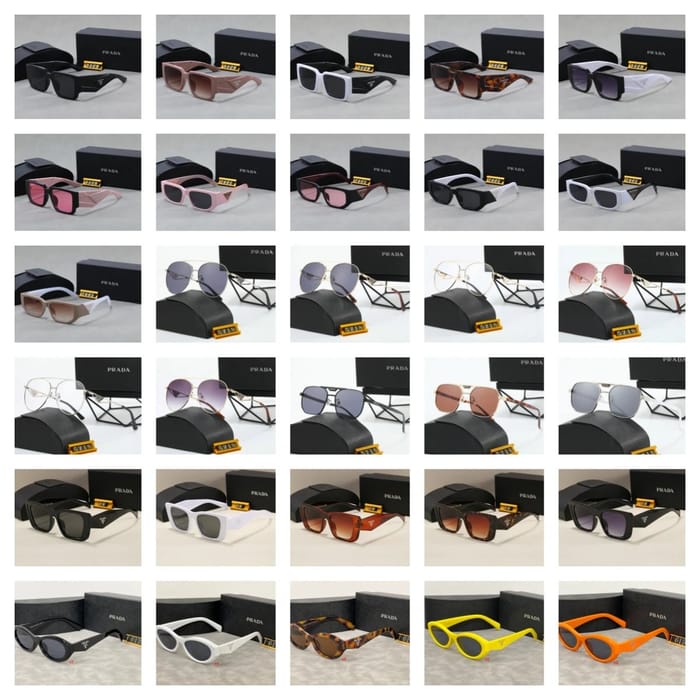 Pudala fashion sunglasses$10.20 USDView Find →
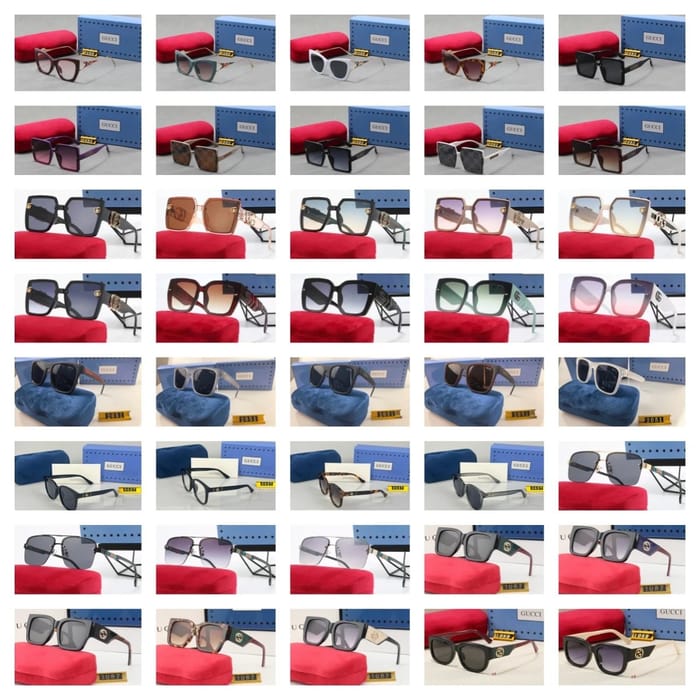 Gucci fashion sunglasses$10.20 USDView Find →
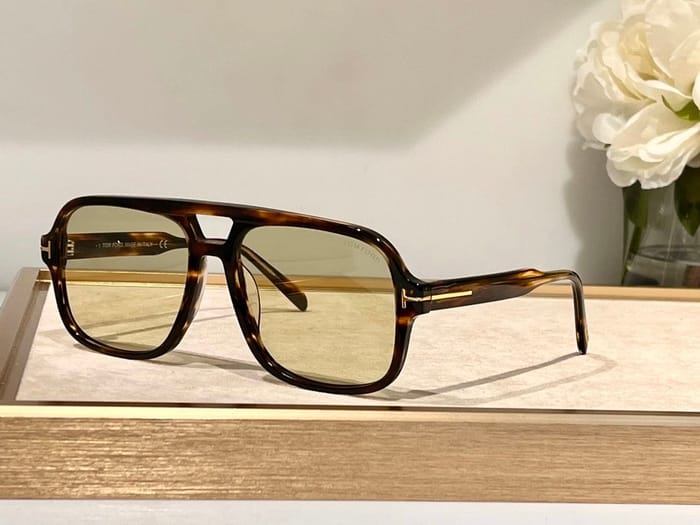 Tom Ford Black Cat Eye Sunglasses$38.13 USDView Find →
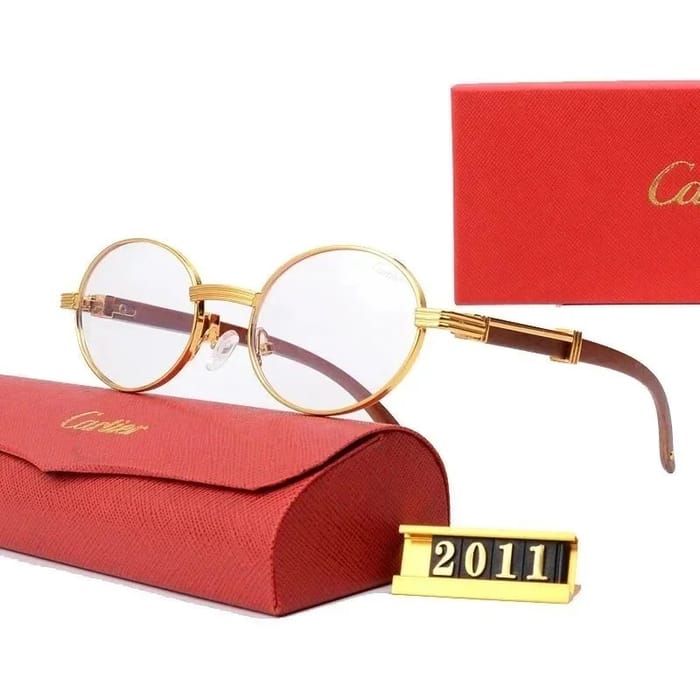 Cartier Rimless Eyeglasses in Gold$13.01 USDView Find →
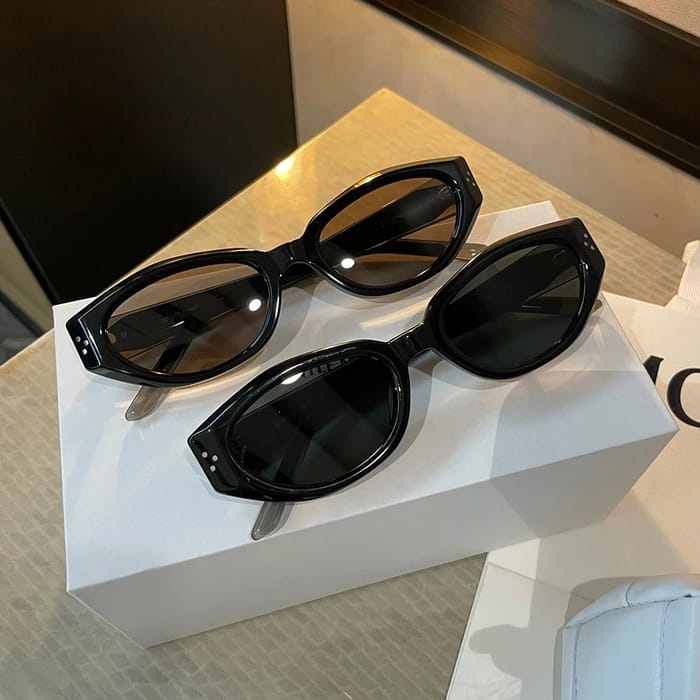 Gentle Monster Oval Retro Round Sunglasses Glasses$29.26 USDView Find →
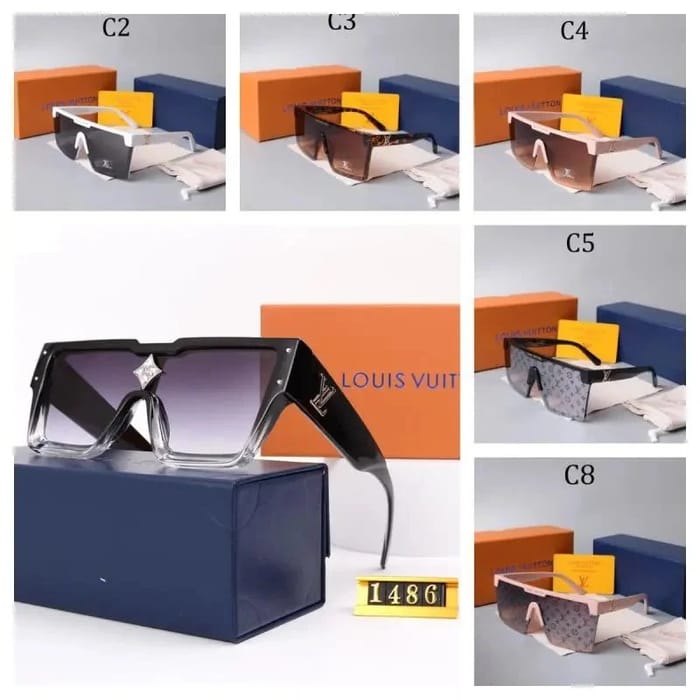 Louis Vuitton Cyclone Sunglasses - New - Holiday$20.40 USDView Find →
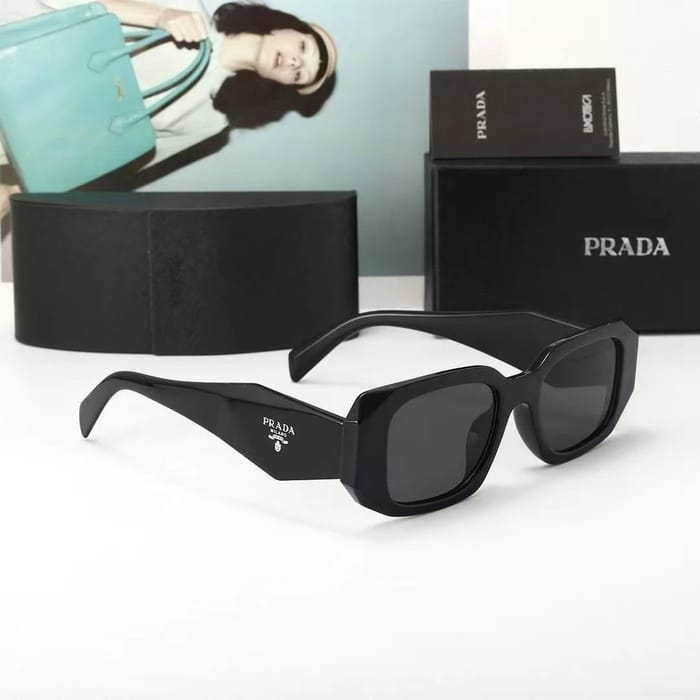 Slate Gray Lenses Prada Symbole sunglasses purple$17.00 USDView Find →
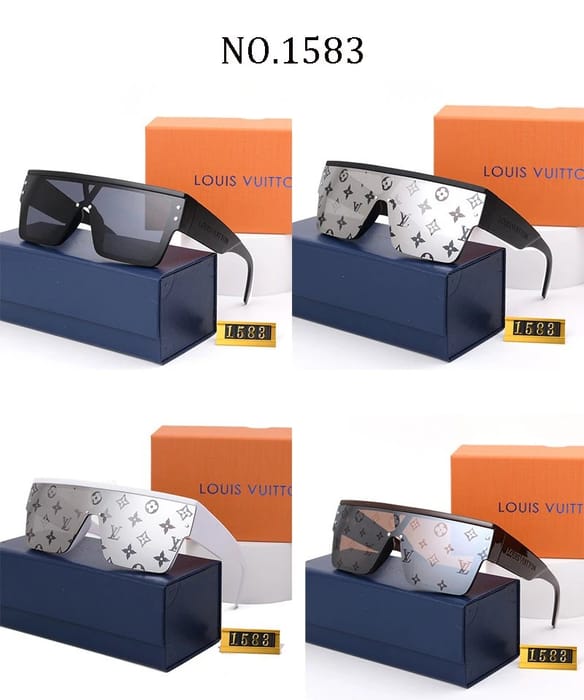 Louis Vuitton LV Waimea L Sunglasses - Holiday$21.43 USDView Find →
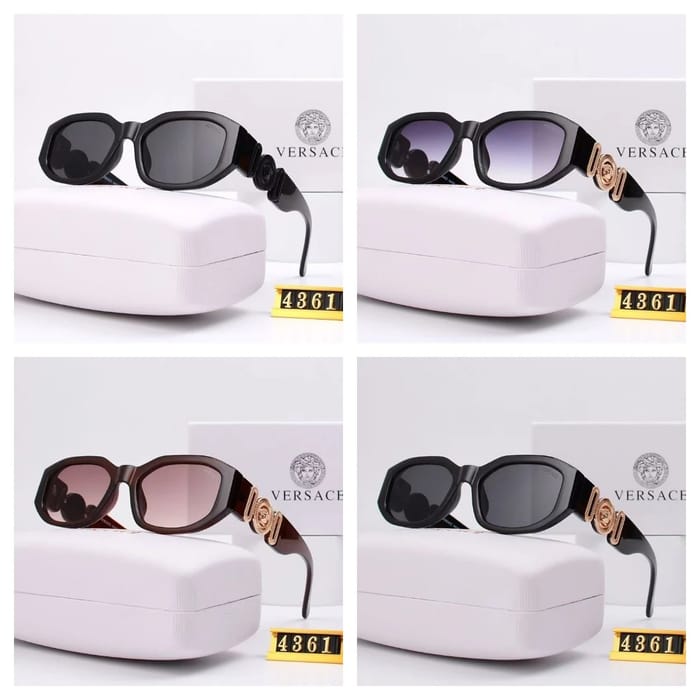 Versace Biggie Sunglasses$21.28 USDView Find →
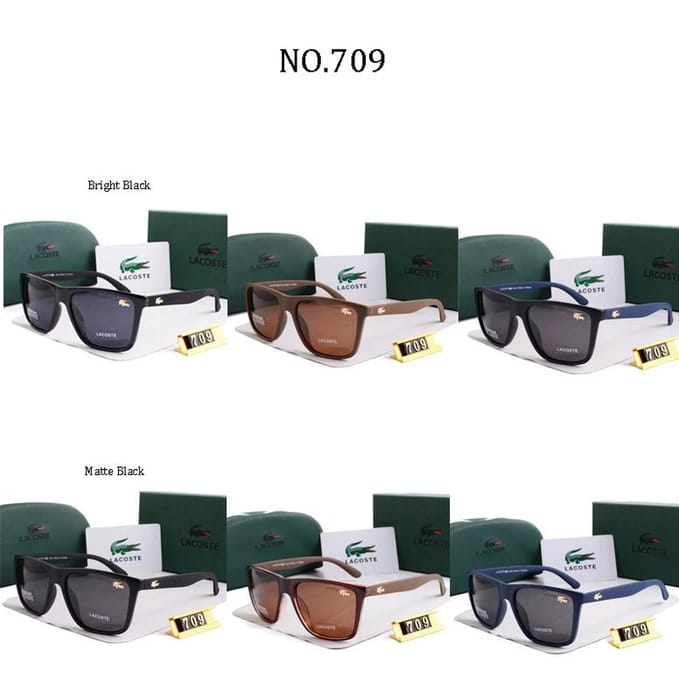 L-709-P169 Sunglasses Glasses$22.02 USDView Find →
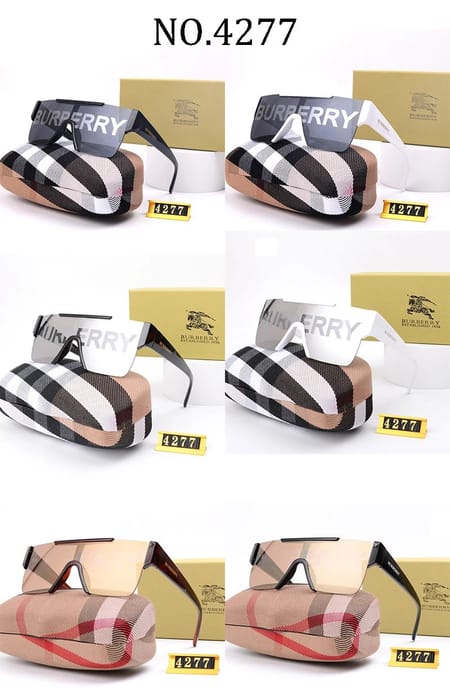 Burberry Eyewear Sunglasses$24.39 USDView Find →
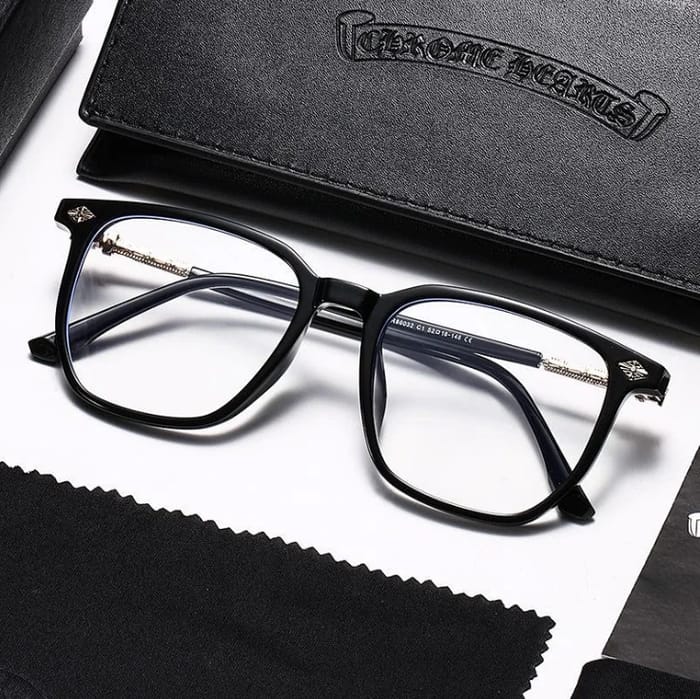 Chrome Hearts C-001-P160 Optical Frames Glasses$20.69 USDView Find →
Use Four Numbers to Escape the Model-Photo Trap
Eyewear fit becomes easier to reason about when you track four dimensions:
- lens width;
- bridge width;
- total frame width;
- temple length.
Not every listing provides all four. When they are available, compare them with a pair that already sits comfortably on your face.
A frame can have the right lens width but still feel too wide overall. A bridge that is only a few millimeters different can noticeably change how the frame sits. Temple length affects where the arms curve behind the ears.
Shape is a second layer, not a substitute for dimensions
Round, rectangular, oval and angular frames can create different visual effects, but "face-shape advice" does not solve physical fit.
Start with measurements that are likely to fit. Then choose the shape you prefer within that workable range.
QC can verify geometry better than fit
Warehouse images can help you notice whether the frame appears twisted, whether the temples sit unevenly when folded, whether visible hardware is present and whether the color matches the selected option.
They cannot tell you how the bridge feels on your nose or whether the temples create pressure after an hour of wear. Keep visual alignment and personal comfort as separate questions.
A Fast Frame Comparison Using a Pair You Already Wear
Take a comfortable pair of glasses and read the numbers printed on the inside of the temple if they are available. These often encode lens width, bridge width and temple length. Then measure the overall frame width yourself if the listing you are comparing provides it.
Use the current pair as a baseline rather than a target you must copy exactly. A slightly wider frame may be intentional; a different bridge design may sit differently even with similar numbers. The point is to know whether the new frame is in the same physical neighborhood.
If a listing gives only one or two measurements, treat the comparison as partial. Do not fill missing dimensions with assumptions taken from the product photo.
For sunglasses, also think about lens height and coverage. A frame can have a familiar width while looking much larger on the face because the lenses are taller.
Eyewear Measurement Questions
Total frame width is a strong starting point, but bridge and temple length also affect fit.
Not reliably. Camera distance and crop can distort scale. Use physical dimensions when available.
Frame symmetry, hinges, temples, lens condition, color and any obvious damage.